Last updated: October 7, 2026
This salt bread recipe gives you soft, fluffy rolls with crisp golden bottoms and a crunchy flaky salt top. We walk through every step below, and the recipe card further down has the full ingredient list and method in one place.
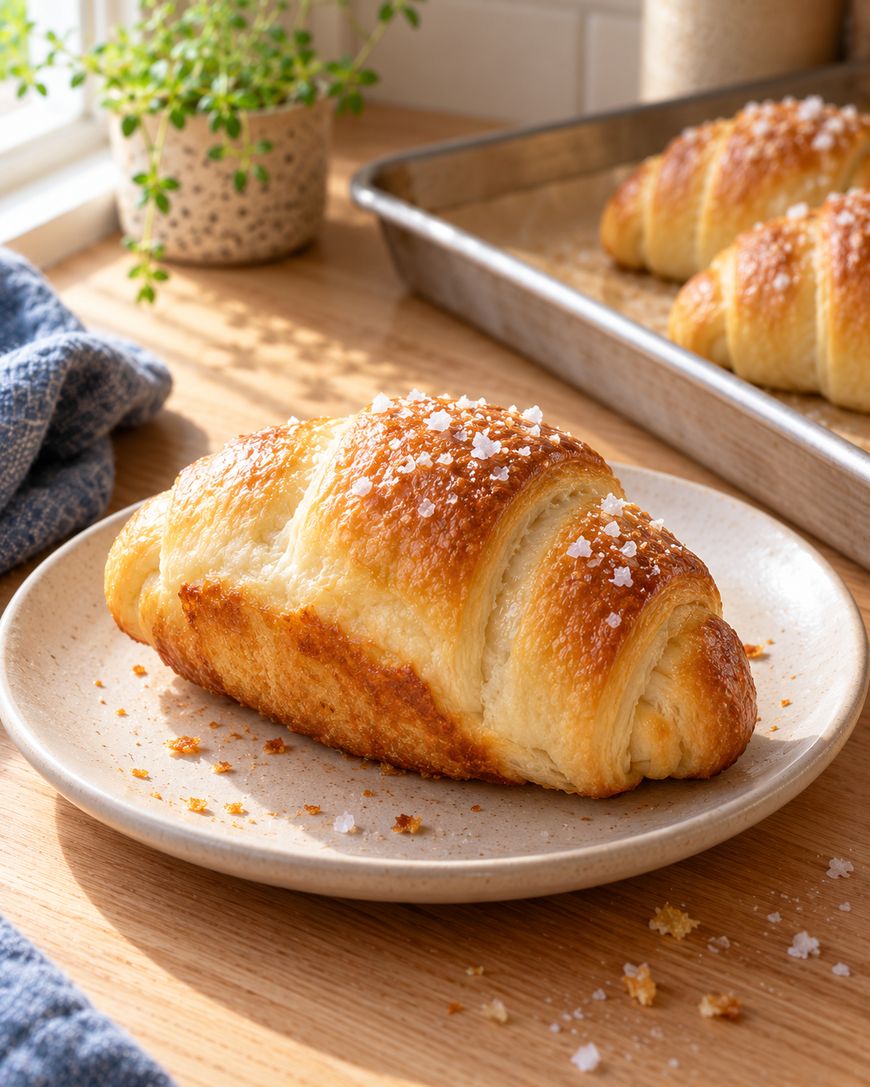
Salt Bread Recipe Ingredients and Why Each One Matters
Salt bread is a soft milk dough wrapped around a cold piece of butter, then finished with flaky salt before baking. The ingredient list is short, so every item has a clear job.

Bread Flour
Bread flour is the foundation here, and this recipe uses 3 cups (360 grams). Its higher protein content builds strong gluten, which gives the rolls a chewy, springy bite instead of a crumbly one.
Milk, Yeast, and Sugar
We warm 1 cup of whole milk to about 100°F, which is cozy enough to wake up 2 1/4 teaspoons of instant yeast without harming it. A quarter cup (50 grams) of granulated sugar feeds the yeast and adds a light golden color to the crust.
Butter, Inside and Out
Three tablespoons of softened unsalted butter go into the dough for a tender crumb. Eight more tablespoons, one full stick, stay cold and get cut into eight pieces that are rolled up inside the shaped rolls.
Two Kinds of Salt
The dough gets 1 1/4 teaspoons of fine sea salt for flavor. The whole batch then gets a brush of 1 tablespoon of milk and about 1 teaspoon of flaky sea salt, such as Maldon, for the crunchy finish that gives these rolls their name.
How to Make This Salt Bread Recipe Step by Step
The full process takes about 2 hours and 30 minutes from start to finish, and most of that is hands-off rising time. Here is how each stage looks from the first stir to the first warm bite.
Mix and Knead the Dough
Combine the flour, sugar, fine sea salt, and yeast in the bowl of a stand mixer, then pour in the lukewarm milk. Mix with the dough hook on low speed for about 2 minutes until a shaggy dough forms.

Add the 3 tablespoons of softened butter and knead on medium-low speed for 8 to 10 minutes. The dough is ready when it feels smooth and elastic and stretches thin without tearing.
First Rise
Shape the dough into a ball and place it in a lightly oiled bowl, then cover it with a towel or plastic wrap. Let it rise in a warm spot for about 1 hour, until it has doubled in size.
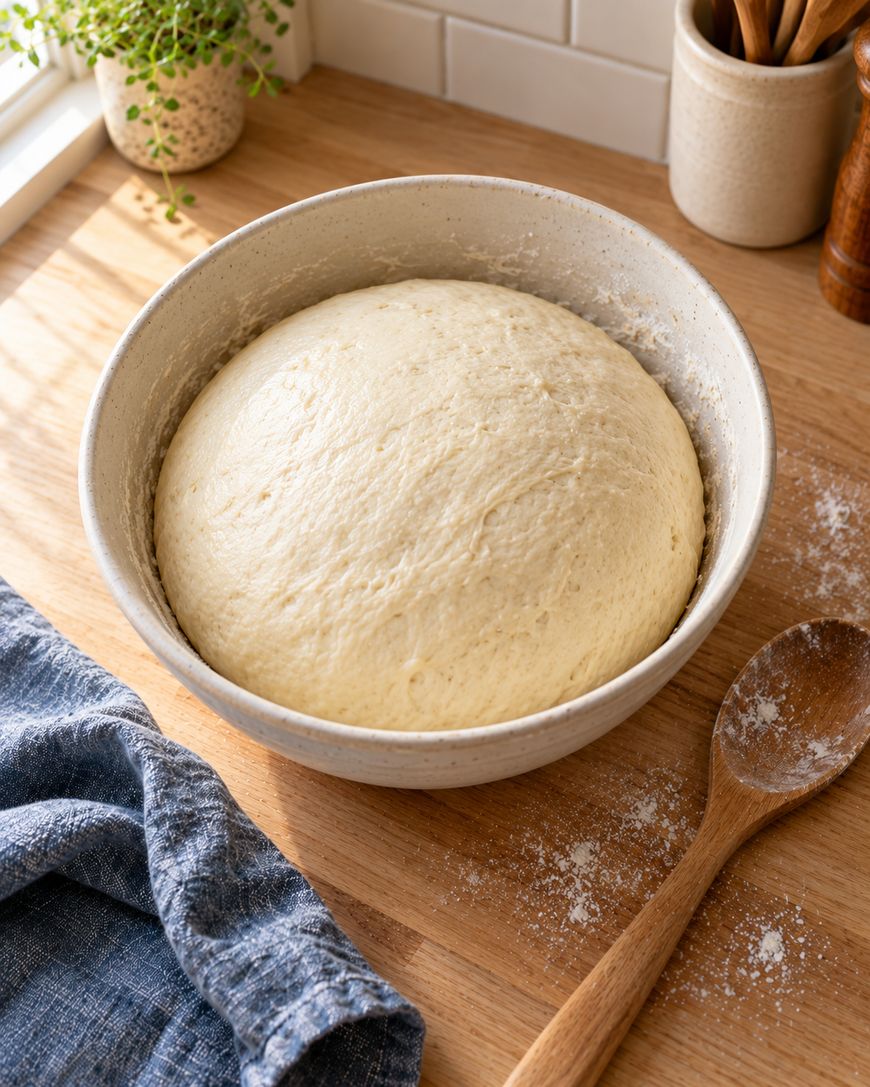
Divide and Shape the Rolls
Gently press the air out of the dough and divide it into 8 equal pieces, about 3 ounces each. Roll each piece into a ball and let the balls rest, covered, for 10 minutes.

Roll each ball into a teardrop about 6 inches long with a narrow tip. Set one piece of cold butter at the wide end, roll the dough up toward the tip, pinch the seam closed, and tuck the tip underneath.
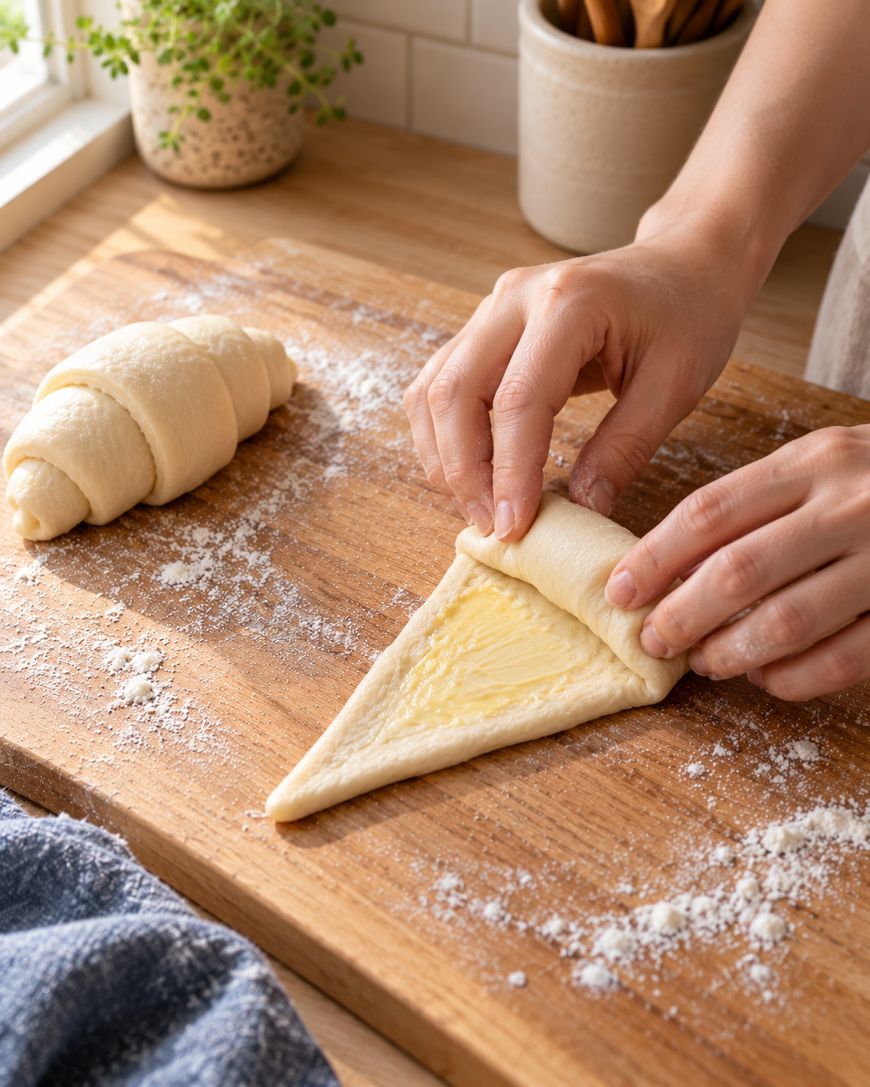
Second Rise
Arrange the shaped rolls on a parchment-lined baking sheet, about 2 inches apart, and cover them loosely. Let them puff for 30 to 40 minutes while you preheat the oven to 400°F.

Brush, Salt, and Bake
Brush the rolls with 1 tablespoon of milk and sprinkle them with about 1 teaspoon of flaky sea salt. Bake on the center rack for 12 to 15 minutes, until deep golden, then cool for 5 minutes before serving warm.

Salt Bread Tips for Crisp Bottoms and Fluffy Centers
The crisp bottom comes from the butter melting inside each roll and frying the base of the dough as it bakes. A few small habits make that happen every time.
Keep the Butter Cold
Cold butter holds its shape while you roll, so it stays inside the dough instead of smearing through it. If your kitchen runs warm, chill the cut pieces in the freezer for 10 minutes before shaping.

Seal the Seam Well
A pinched seam and a tucked tip keep the melting butter from escaping onto the pan. A little leakage is normal and still tastes great, but a tight seal gives you the crispest bottom and the fluffiest center.
Do Not Overproof
Rolls that rise much longer than 40 minutes can collapse in the oven and leak more butter. Look for puffy and soft, then press one gently with a fingertip, and the dent should spring back slowly.
Use Good Salt on Top
Flaky sea salt sticks to the milk-brushed surface and stays crunchy after baking. Fine table salt dissolves into the crust and tastes harsh, so save the fine sea salt for the dough.
Salt Bread Variations and Substitutions
The classic version is hard to beat, but a few easy swaps work well. The recipe card below leaves these out, so treat them all as optional.
All-Purpose Flour
You can swap in all-purpose flour cup for cup if that is what you have. The rolls will bake up a little softer and less chewy than they do with bread flour.
Seeds and Seasoning
Sprinkle toasted sesame seeds or everything bagel seasoning over the flaky salt before baking. Both add extra crunch and a savory edge that pairs well with the butter.
Garlic Butter Finish
Brush the warm rolls with 1 tablespoon of melted butter mixed with a pinch of garlic powder. This turns them into an easy side for pasta night.
Dairy-Free Option
Use unsweetened oat milk in place of the whole milk and a firm plant-based butter stick in place of the dairy butter. The crumb will be slightly less tender and the bottoms a little less rich, but the rolls still bake up golden and soft.
How to Store, Freeze, and Reheat Salt Bread
Salt bread tastes best the day it is baked, but leftovers keep well with a little care. The goal is to protect the soft crumb and then bring back the crisp bottoms when you reheat.
Room Temperature Storage
Store the cooled rolls in an airtight container at room temperature for up to 2 days. Skip the refrigerator, which dries bread out faster, and keep the container away from heat and direct sun.
The butter in the rolls keeps the crumb tender, so they stay pleasant for a full second day.
Freezing
Wrap the cooled rolls tightly and freeze them for up to 2 months. Thaw them at room temperature before reheating.
Freezing works best when the rolls are completely cool, because trapped steam can leave the crust damp.
Reheating
Warm the rolls in a 350°F oven for 5 to 8 minutes to bring back the crisp bottoms. Avoid the microwave, which turns the crust soft and chewy.
If the tops look a little dull after reheating, sprinkle on a few extra flakes of sea salt for a fresh crunch.
What to Serve With Salt Bread
Salt bread works as a dinner roll, a snack, or a small breakfast. The buttery flavor pairs best with foods that are saucy, creamy, or a little tangy.
Soups and Pasta
A warm roll is perfect for dunking into tomato soup, chicken noodle soup, or a creamy broccoli cheddar. It also holds its own beside a bowl of marinara or Alfredo pasta.

Breakfast and Brunch
Split a roll and tuck in a soft scrambled egg or a slice of cheddar for a quick breakfast sandwich. A smear of jam on the warm bread tastes wonderful with the salty top.
Boards and Gatherings
Set a basket of warm rolls beside a charcuterie board or a cozy fall dinner spread. Guests tend to reach for them first because they smell so good coming out of the oven.
For a sweet and salty snack, serve them with a small dish of honey or fruit preserves on the side.
The Story Behind Salt Bread
Salt bread comes from Japan, where it is called shio pan, a name that simply means salt bread. The roll has also become a favorite in Korean bakeries and cafes, where it often sits in the display case next to the croissants.

The idea behind it is wonderfully simple. A soft milk dough, a little butter, and a little salt come together into a roll that tastes far fancier than the ingredients suggest.
The real magic is in the butter, which melts into the base of the roll as it bakes. That crisp, golden bottom is what sets salt bread apart from an ordinary dinner roll.
Because the dough is so simple, it is a great first project for anyone new to shaped rolls. Once you have made one batch, the rolling technique becomes second nature.
Scroll down to the recipe card for the full ingredient list, method, and nutrition details.

Salt Bread Recipe
Soft, fluffy milk dough rolled around cold butter and finished with flaky sea salt for crisp golden bottoms and a salty, buttery bite.
Ingredients
- 3 cups (360 g) bread flour
- 1/4 cup (50 g) granulated sugar
- 1 1/4 teaspoons fine sea salt
- 2 1/4 teaspoons (1 packet) instant yeast
- 1 cup (240 ml) whole milk, lukewarm (about 100°F)
- 3 tablespoons unsalted butter, softened
- 8 tablespoons (1 stick) cold unsalted butter, cut into 8 pieces
- 1 tablespoon whole milk, for brushing
- 1 teaspoon flaky sea salt, for topping
Instructions
- Whisk the flour, sugar, fine sea salt, and yeast in the bowl of a stand mixer. Add the lukewarm milk and mix with the dough hook on low speed for 2 minutes until a shaggy dough forms.
- Add the softened butter and knead on medium-low speed for 8 to 10 minutes, until the dough is smooth and elastic.
- Shape the dough into a ball, place it in a lightly oiled bowl, cover, and let it rise in a warm spot for 1 hour, until doubled in size.
- Press the air out of the dough and divide it into 8 equal pieces, about 3 ounces each. Roll each piece into a ball, cover, and rest for 10 minutes.
- Roll each ball into a teardrop about 6 inches long with a narrow tip. Place one piece of cold butter at the wide end, roll the dough up toward the tip, pinch the seam closed, and tuck the tip underneath.
- Arrange the rolls on a parchment-lined baking sheet about 2 inches apart, cover loosely, and let them rise for 30 to 40 minutes until puffy. Preheat the oven to 400°F during this rise.
- Brush the rolls with 1 tablespoon of milk and sprinkle with the flaky sea salt.
- Bake on the center rack for 12 to 15 minutes, until deep golden. Cool for 5 minutes and serve warm.
Notes
Keep the butter cold so it stays inside the dough, and pinch the seams well to limit leaking. Store cooled rolls in an airtight container at room temperature for up to 2 days. Freeze wrapped rolls for up to 2 months, then reheat in a 350°F oven for 5 to 8 minutes.
Nutrition Information:
Yield:
8Serving Size:
1 rollAmount Per Serving: Calories: 350Total Fat: 17gSaturated Fat: 10gSodium: 470mgCarbohydrates: 42gFiber: 1gSugar: 8gProtein: 6g
Salt Bread Recipe FAQs
What does salt bread taste like?
Salt bread tastes like a buttery dinner roll with a crisp, almost fried bottom and a salty crunch on top. The inside is soft, slightly sweet, and fluffy.
Why is the butter leaking out of my salt bread?
A little leakage is normal, but a lot usually means the seam was not pinched closed or the rolls rose too long. Keep the butter cold, seal the seam well, and bake the rolls once they look puffy.
Can you use all-purpose flour?
Yes, you can use all-purpose flour in equal amounts. The rolls will be a little softer and less chewy.
How long does salt bread stay fresh?
Cooled rolls keep in an airtight container at room temperature for up to 2 days. You can also freeze them for up to 2 months and reheat them in a 350°F oven for 5 to 8 minutes.
Should you use salted or unsalted butter?
Use unsalted butter so you control the saltiness. The flaky salt on top already gives each bite plenty of flavor.
Why This Salt Bread Recipe Works
Bread flour and a full 8 to 10 minutes of kneading build a strong gluten network. That structure lets the dough hold its butter filling and rise tall instead of spreading flat.
Lukewarm milk and sugar give the yeast a comfortable start, and the 1 hour first rise develops a soft crumb with a mild, slightly sweet flavor. The short second rise keeps the rolls puffy without letting them collapse in the oven.
The cold butter rolled inside each piece melts in the 400°F oven and fries the base of the dough while the center stays soft. A quick brush of milk helps the flaky salt cling, so every roll finishes with that crunchy, salty top.
Together, these small details explain why the rolls come out soft inside and crisp underneath. Each step supports the next, which is what makes the recipe dependable even for newer bread bakers.
Final Thoughts on This Salt Bread Recipe
This salt bread recipe is proof that a few simple ingredients can turn into something that tastes like it came from a bakery. The soft center, the crisp buttery bottom, and the salty crunch on top make every roll worth the rising time.
Bake a batch this weekend and serve them warm with soup, pasta, or a cozy brunch. If you love them, leave a rating on the recipe card and a comment below to tell us how yours turned out.
If you have extra rolls, freeze them so a warm, buttery roll is never far away. We hope this salt bread recipe becomes a regular in your kitchen all year long.
The recipe is also easy to double for a crowd, as long as you bake the rolls in batches so each pan has room to brown.
Soft Pretzel Bread That Tastes Like Your Favorite Bakery Loaf