Last updated: May 15, 2026
These cute strawberry growing ideas are practical ways to plant, care for, and harvest strawberries so you get healthier plants and more berries. Most people should start with one sunny container or a small raised bed, use a quality potting mix, and water consistently so the soil stays evenly moist but never soggy.
If you want the simplest path, pick one reliable variety, give it 6–8 hours of sun, and follow a basic routine: deep water, light feeding, and steady pest checks.
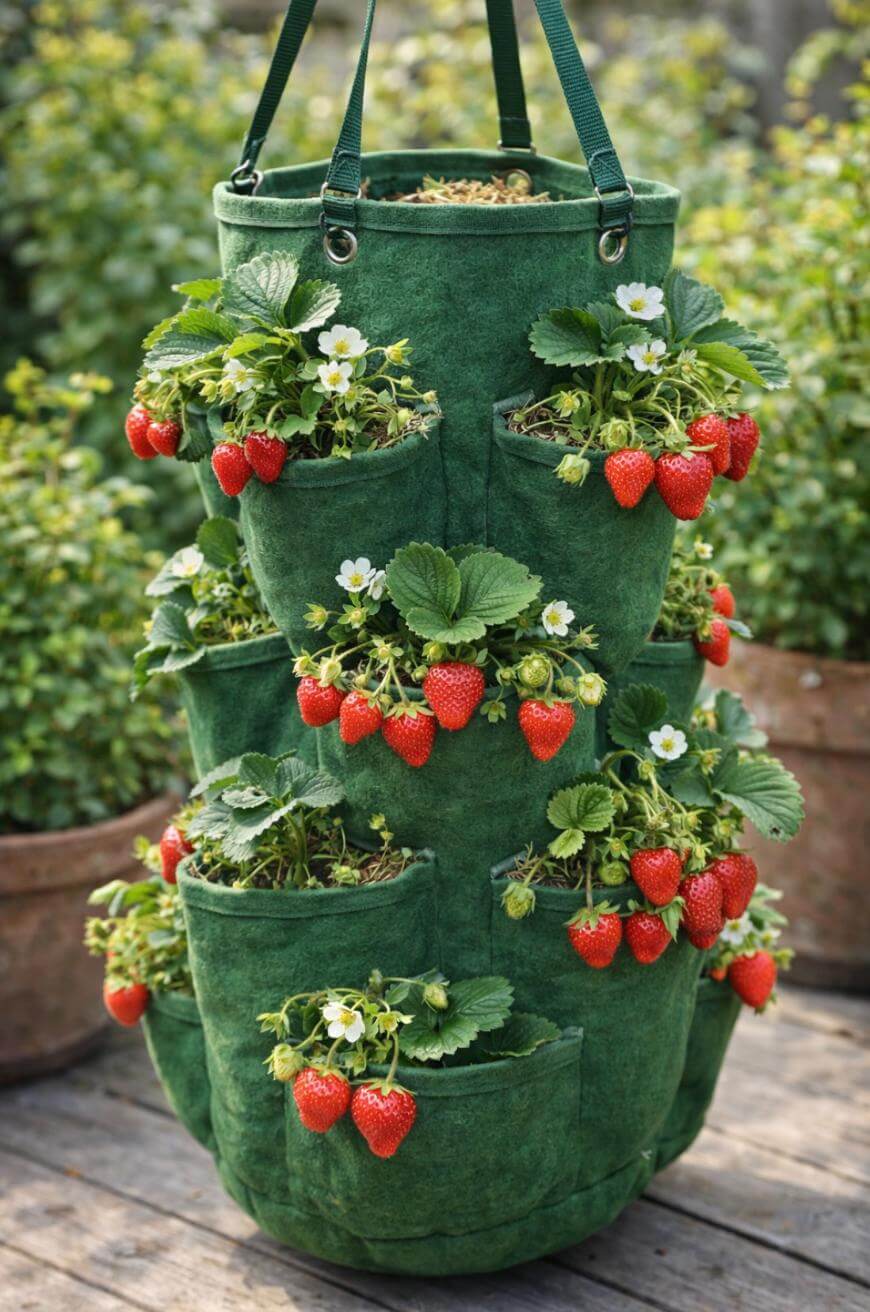
Strawberry Growing Ideas For Bigger Harvests
1. Strawberry Growing Ideas: Choose Day-Neutral Plants For A Longer Season
Day-neutral strawberries can fruit through much of the growing season, not just in one big burst. That makes them a great default if you want a steady trickle of berries instead of a short peak.
If you only have space for a few plants, day-neutral types help you get more “total harvest days” from the same footprint. Pair them with consistent watering and you’ll usually see better repeat production.
2. Start With Bare-Root Crowns When You Want Faster Establishment
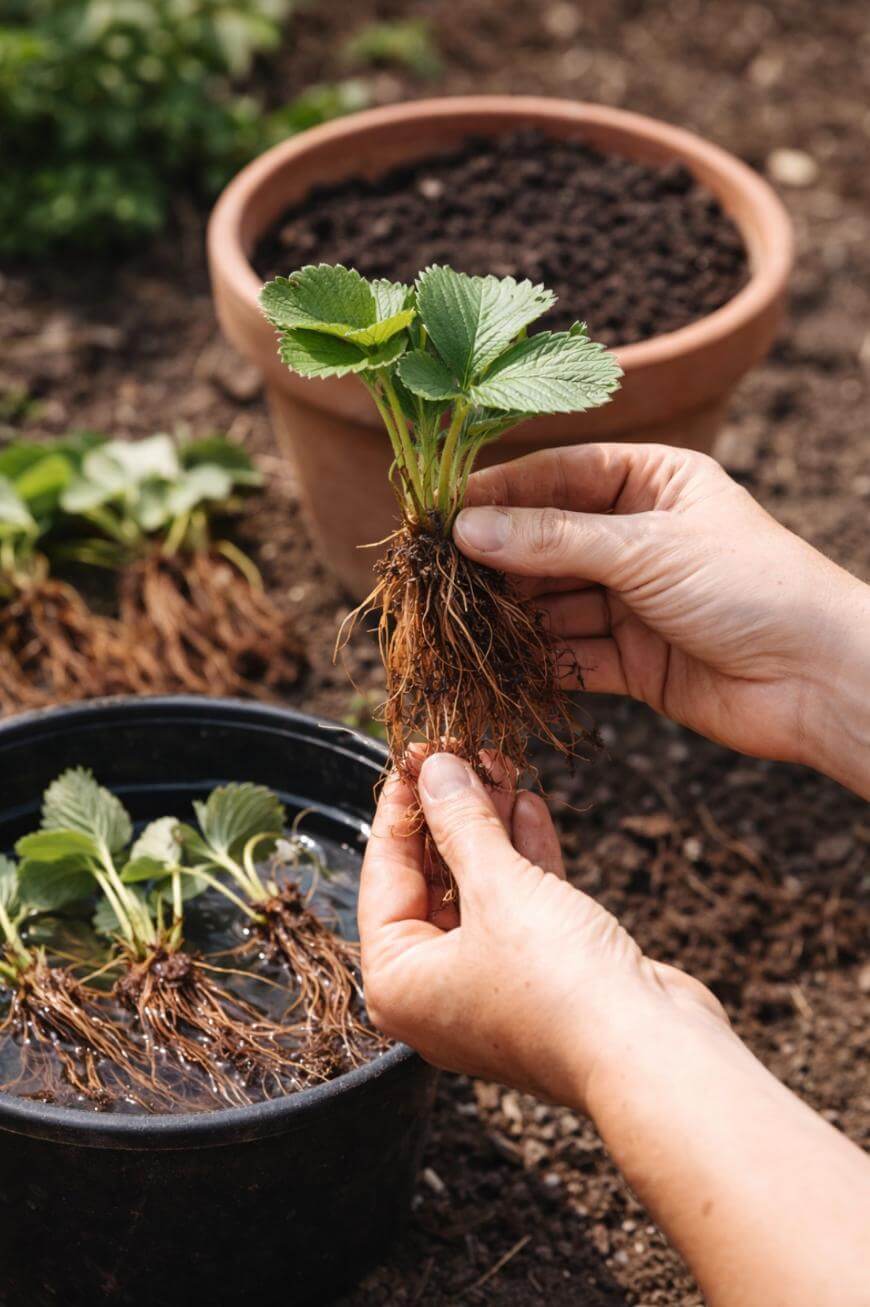
Bare-root crowns often establish quickly because you can set them at the right depth immediately. You get a clean start without a pot-bound root ball.
Soak the roots for 20–30 minutes before planting, then spread them out in the hole. The upgrade is to plant on an overcast day to reduce transplant stress.
3. Plant At The Correct Depth Every Single Time
The crown is the “center” where leaves emerge, and it should sit right at soil level. Too deep encourages rot, and too high dries out the roots.
A simple check is to make sure you can still see the crown after watering settles the soil. If it sinks, lift and reset it before it struggles.
4. Use A Potting Mix That Drains Fast In Containers
Strawberries hate staying wet, especially in pots. Use a mix designed for containers, not garden soil, so oxygen reaches the roots.
A concrete target is a mix that drains in under 30 seconds after a full watering. If water pools on top, add more perlite or coarse compost for structure.
5. Pick The Right Container Size For Less Drama
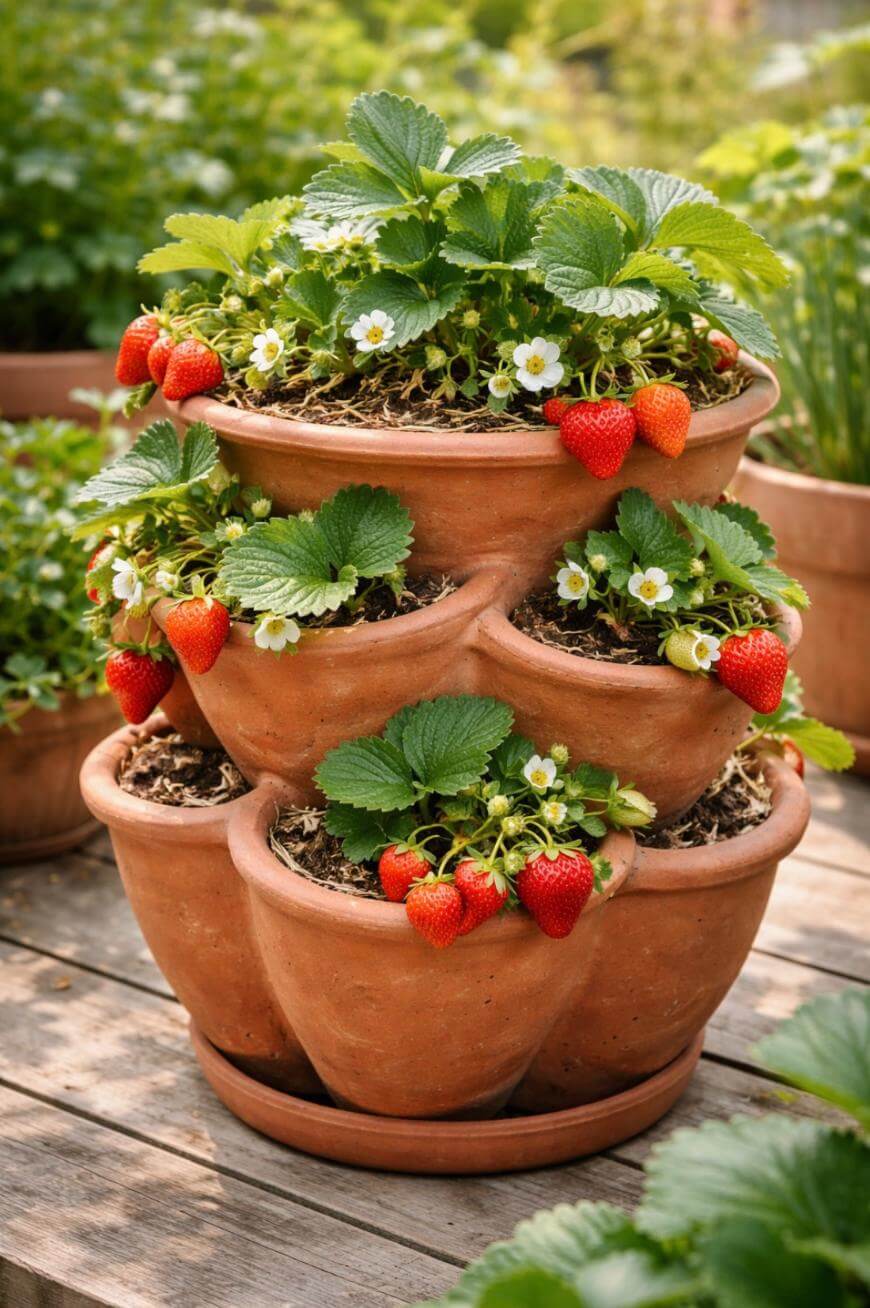
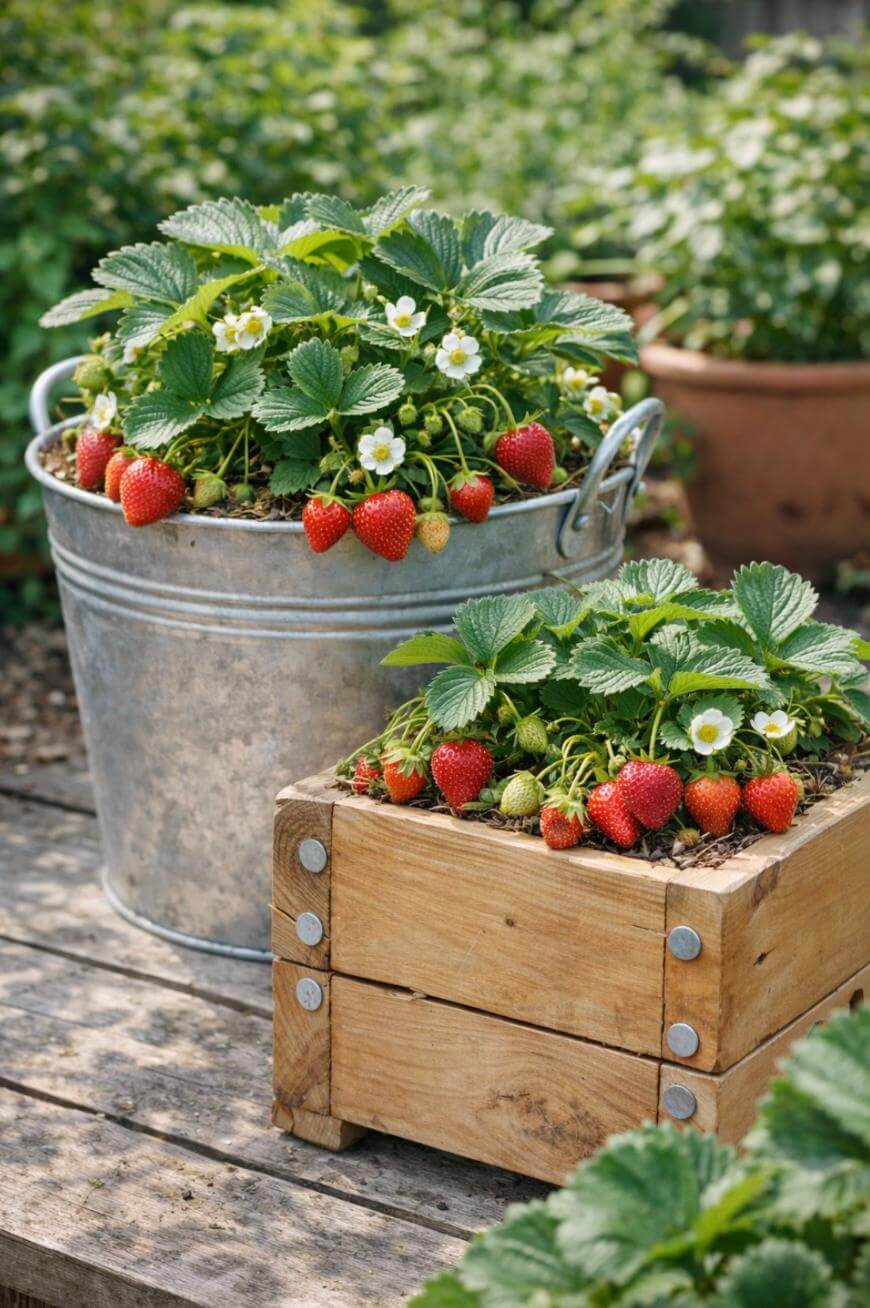
A common mistake is using a pot that is too small, which causes rapid drying and weak growth. Aim for at least 10–12 inches wide for one plant, or a long planter that gives each plant room.
If you want a low-maintenance setup, size up rather than down. Bigger soil volume buffers heat, cold, and watering mistakes.
6. Give Each Plant Enough Space To Prevent Fungus
Crowded plants trap moisture and invite disease. A solid spacing guideline is 12–18 inches between plants, with airflow through the leaves.
If your plants are already crowded, thin older leaves and remove weak runners. The payoff is drier foliage and fewer rot issues.
7. Use Raised Beds For Cleaner Fruit And Fewer Problems
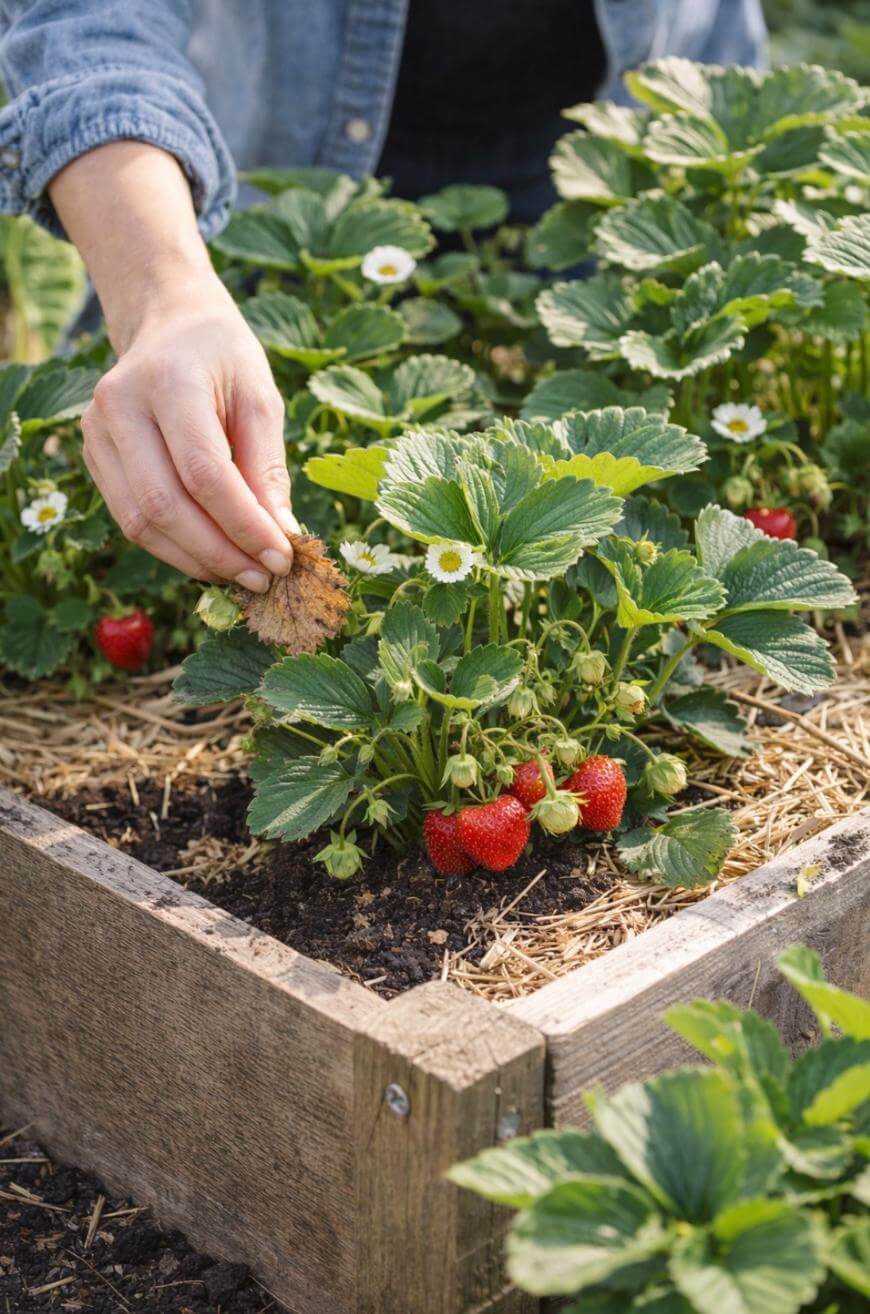
Raised beds warm faster in spring and drain better after rain. That usually means fewer soggy roots and fewer muddy berries.
Keep the bed height around 10–12 inches if you can. Even a modest lift improves drainage and makes picking more comfortable.
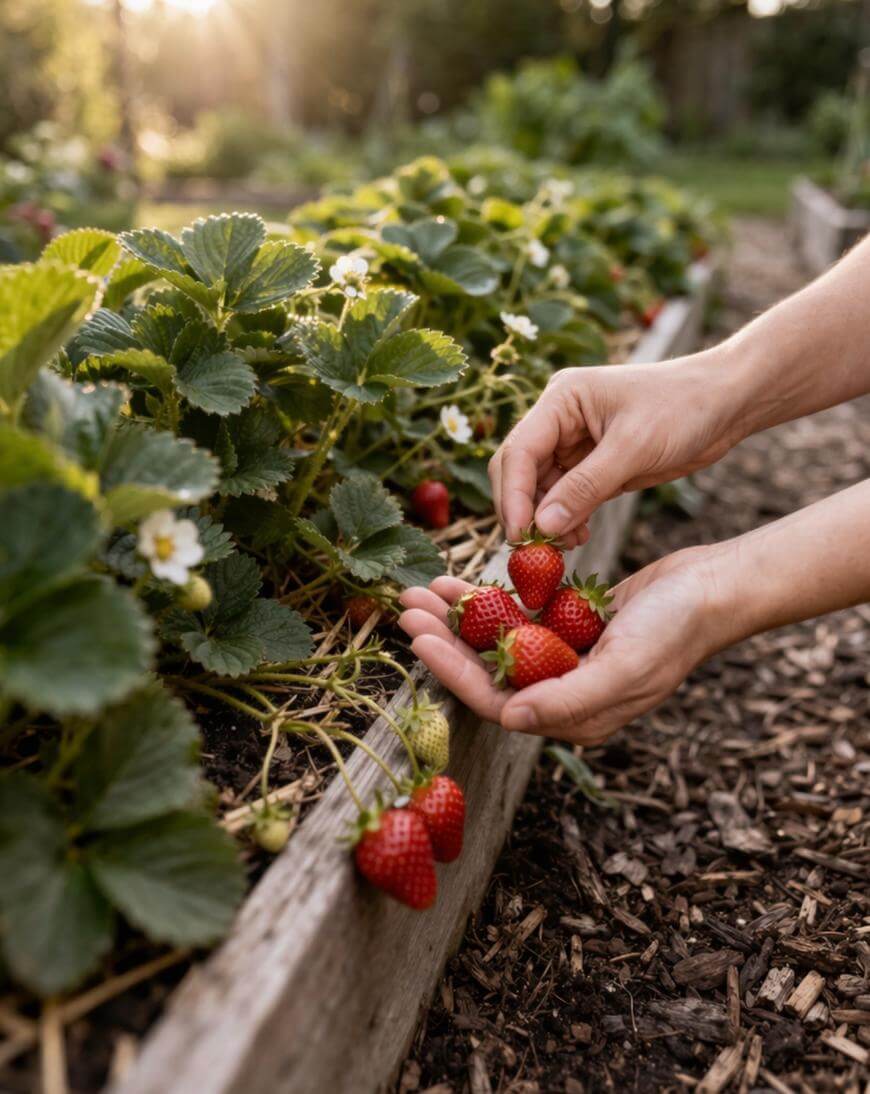
8. Mulch With Straw To Keep Berries Off Wet Soil
Straw mulch reduces splash, keeps fruit clean, and slows weeds. It also helps prevent berries from sitting on damp soil where rot starts.
Apply a 2–3 inch layer around plants, leaving the crown exposed. If slugs are an issue, keep mulch slightly thinner and do more frequent checks.
9. Try Pine Needles For A Light, Airy Mulch Option
Pine needles create a loose mat that lets water pass while keeping fruit cleaner. They also tend to resist compacting compared to some heavier mulches.
Use a thin layer first and add more as needed. The easy upgrade is to top-dress after heavy rain if the needles shift.
10. Water In The Morning To Reduce Disease Pressure
Morning watering lets leaves dry quickly, which lowers the risk of fungal problems. It also helps plants handle midday heat better.
A simple routine is deep watering 2–3 times per week rather than frequent sips. Adjust based on weather, but keep moisture consistent.
11. Use Drip Irrigation Or A Soaker Hose For Cleaner Leaves
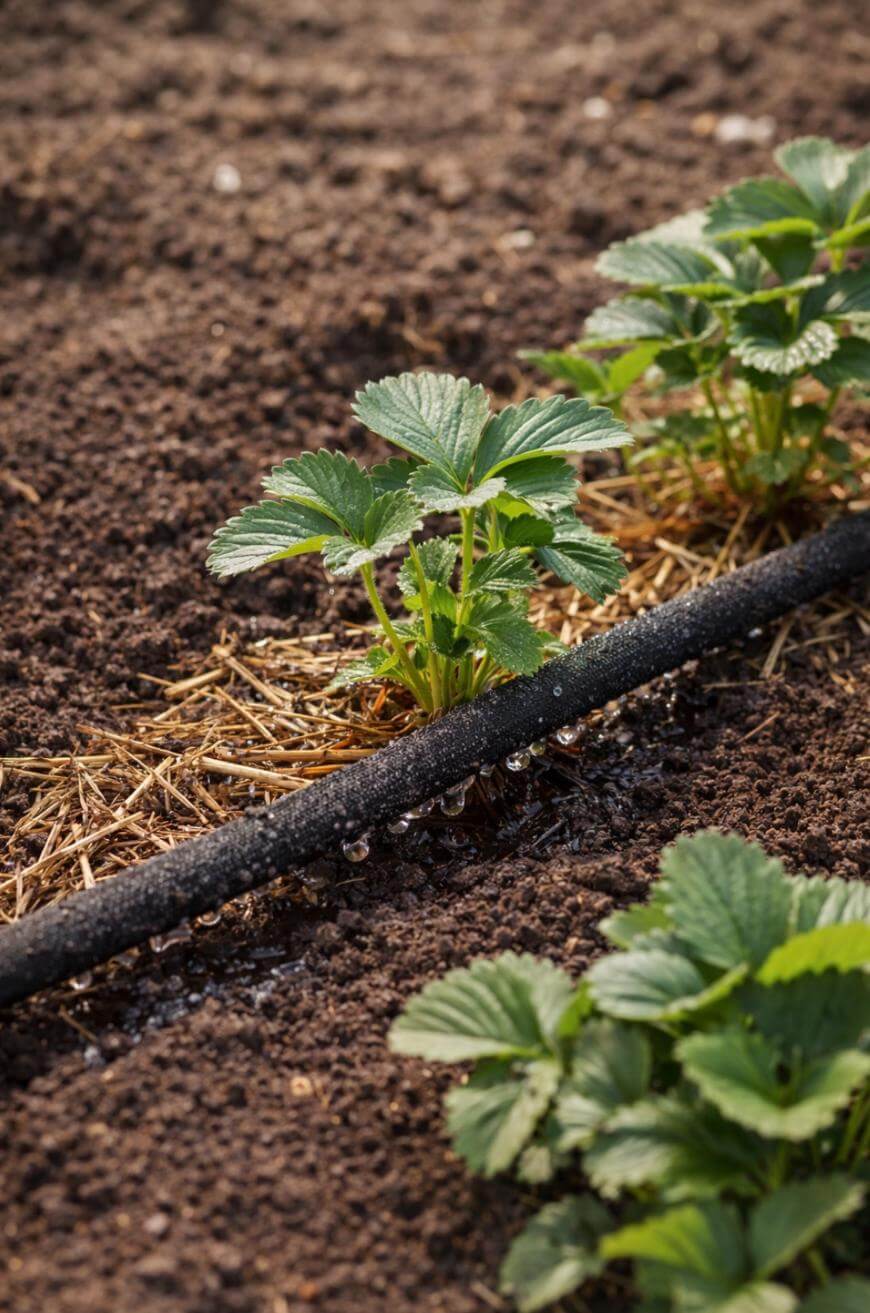
Watering at the soil line is one of the best ways to avoid leaf spotting and fruit rot. Drip lines also make your watering more consistent.
Set the line so it wets the root zone, not the crown. If you hand-water, aim low and slow, and avoid splashing the plant.
12. Feed Lightly And Regularly Instead Of Overdoing It
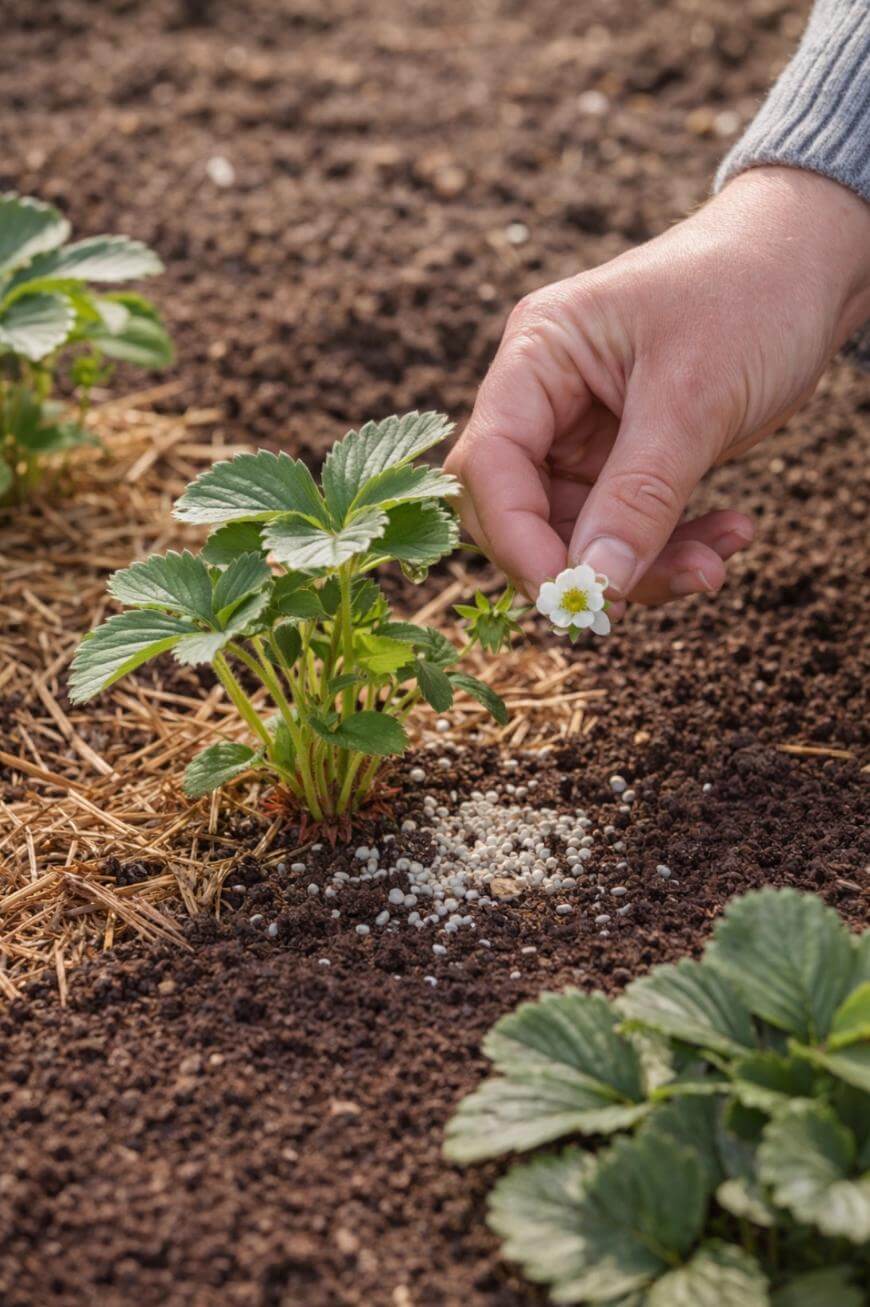
Strawberries respond well to gentle feeding, but too much nitrogen gives you huge leaves and fewer berries. A practical schedule is a balanced fertilizer at half-strength every 2–3 weeks during active growth.
If you prefer granules, use a slow-release option and follow label rates carefully. The easiest mistake to avoid is “more must be better.”
13. Switch To A Bloom-Forward Fertilizer When Flowers Appear
When you see buds and blossoms, slightly higher potassium can support fruiting. That can mean a bloom-friendly fertilizer or simply backing off heavy nitrogen.
A concrete move is to use a tomato-type feed at half-strength. Watch the leaves: dark, lush growth with few flowers is a sign to ease up.
14. Keep Soil pH Slightly Acidic For Better Nutrient Uptake
Strawberries generally prefer slightly acidic soil, often around pH 5.5–6.5. In that range, nutrients are easier for the plant to use.
If you’re unsure, use an inexpensive soil test and adjust gradually. The best “don’t panic” rule is to avoid big swings and focus on steady care.
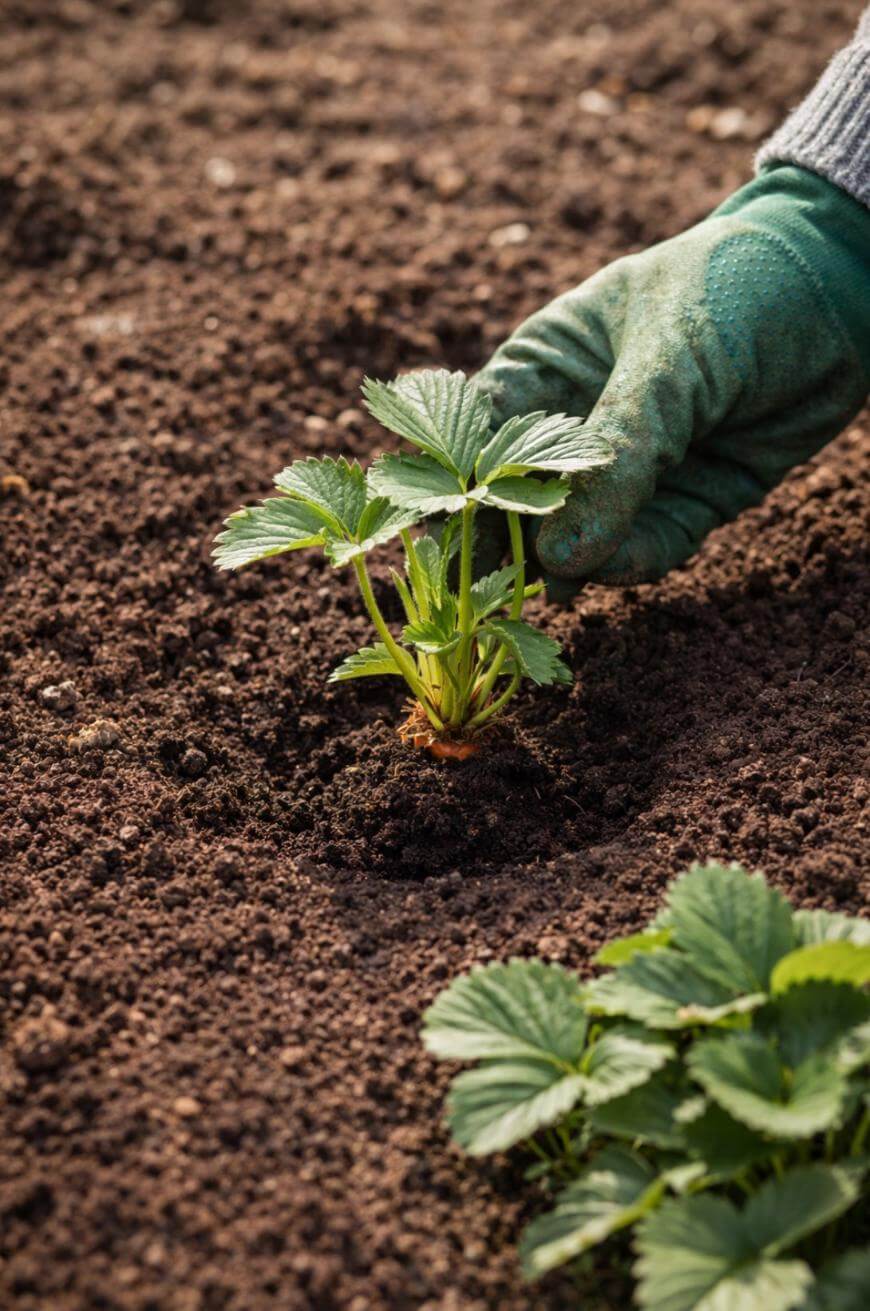
15. Remove First-Year Flowers For Stronger Plants In Perennial Beds
If you want plants that produce better in future seasons, removing early blossoms can push energy into roots and crowns. This is especially useful when building a long-term patch.
A practical version is to pinch flowers for the first 3–4 weeks after planting. The upgrade is to keep one or two blooms later just to confirm the plant is thriving.
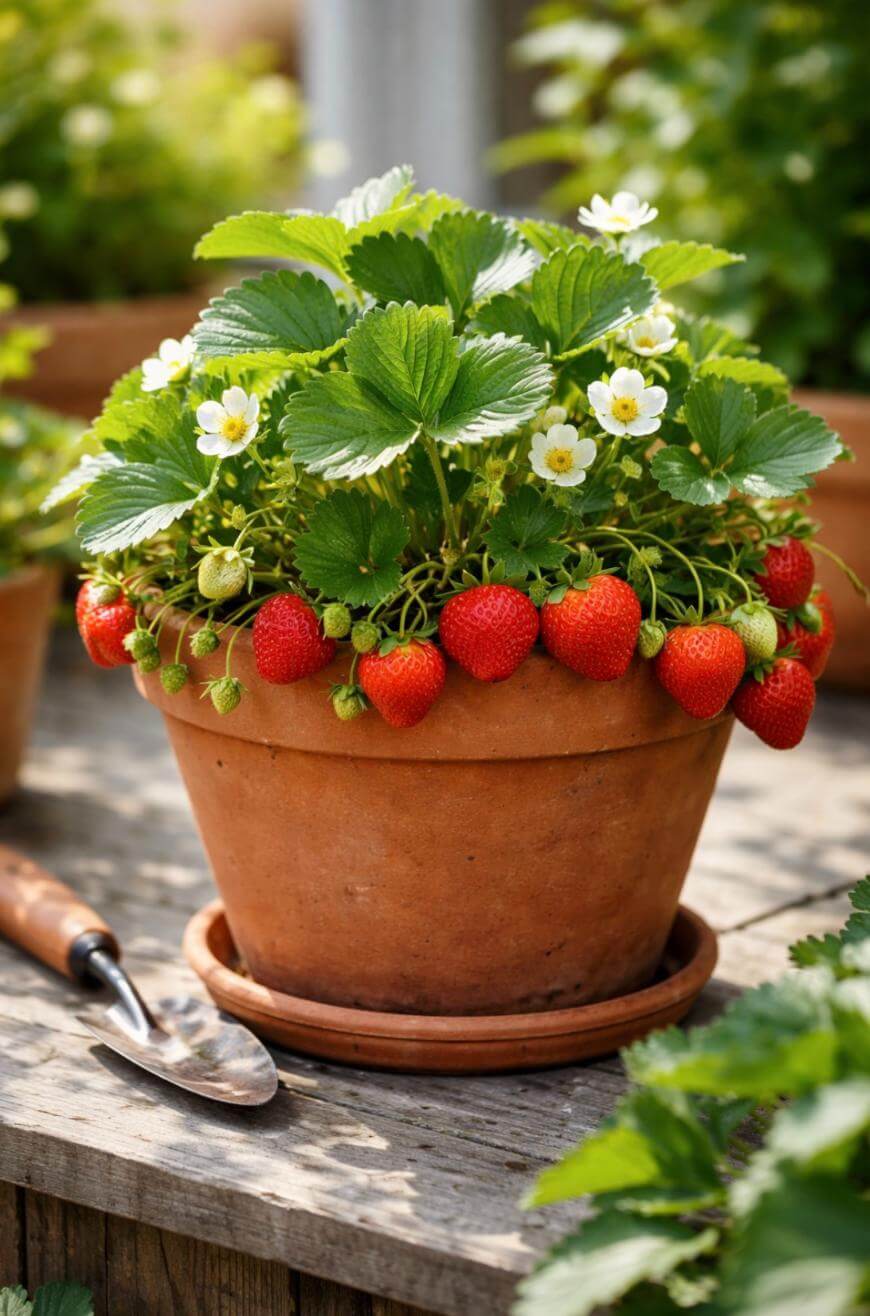
16. Control Runners Based On Your Goal
Runners are how strawberries make new plants, but they also steal energy from fruiting. If you want berries, remove most runners during the main fruiting period.
If you want more plants, let a few runners root into small pots filled with mix. That gives you “free” starts without letting the bed turn into a tangled mat.
17. Rotate Your Patch Every 2–3 Years To Reduce Disease
Strawberries can build up soil-borne issues if they stay in the same spot too long. Moving them every 2–3 years often reduces recurring problems.
A simple approach is to start a new bed from your healthiest runner plants. The bonus is a more vigorous patch and fewer mystery setbacks.
18. Protect Blossoms From Late Frost With A Simple Cover
A cold snap can damage flowers and reduce fruit set. A lightweight frost cloth or even a sheet overnight can save your early crop.
Remove covers in the morning so plants get light and airflow. The upgrade is to use hoops so fabric doesn’t press directly on blossoms.
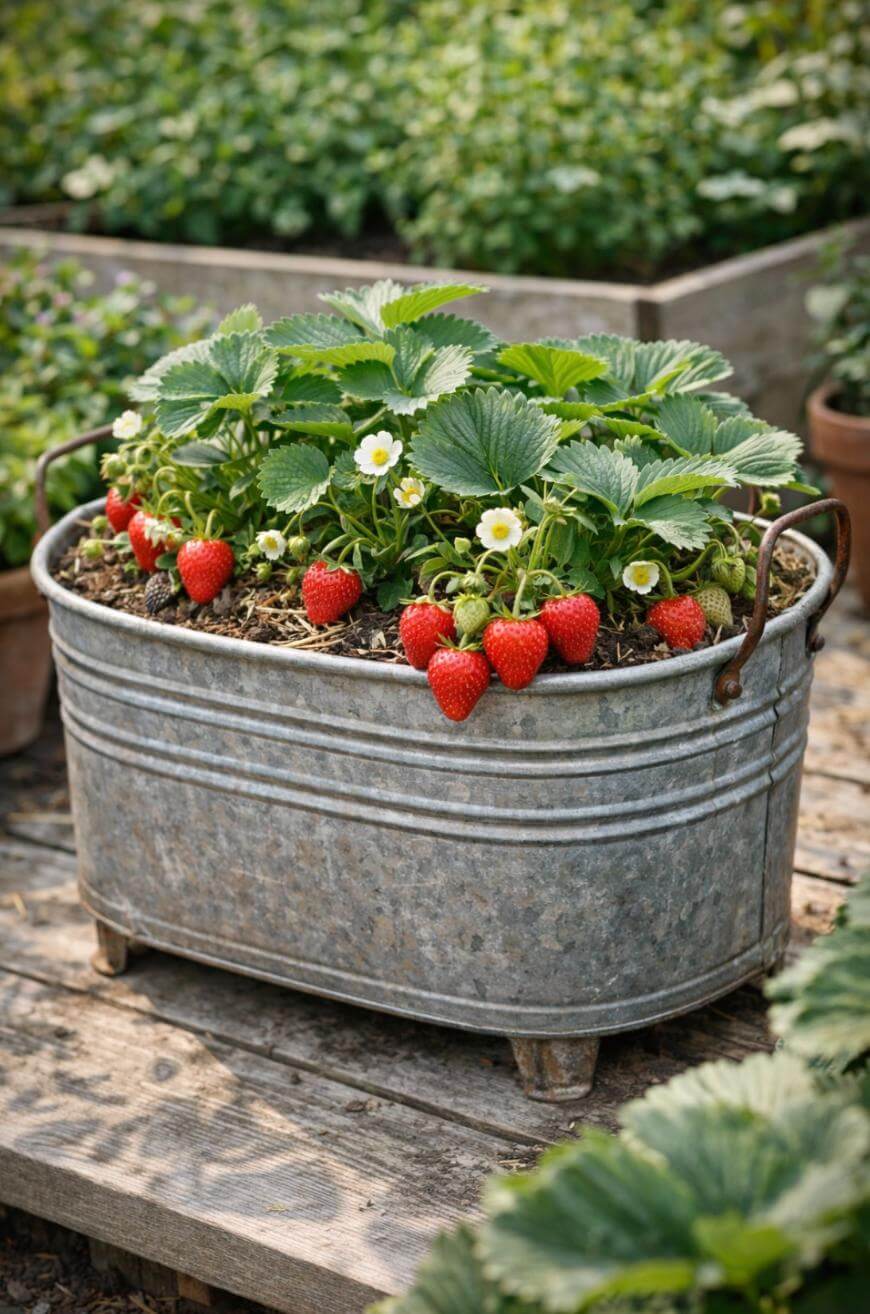
19. Use Netting Before The Birds Discover Your Berries
Birds can wipe out a harvest fast once they learn your schedule. Lightweight netting over hoops is often enough to protect ripening fruit.
Put it on when berries start blushing, not after you’ve lost the first batch. Check daily so nothing gets trapped.
20. Hand-Pollinate Indoor Plants For Reliable Fruit Set
If you grow indoors or in a greenhouse, pollination may be weak. A soft paintbrush or gentle shake can move pollen and improve fruit development.
Do it once a day while flowers are open. The improvement you’ll notice is fuller berries with fewer misshapen sides.
21. Thin Leaves To Improve Airflow And Make Picking Easier
Older leaves can crowd the center and keep moisture trapped. Removing a few of the oldest leaves helps airflow and lowers disease risk.
Limit it to a light cleanup, not a harsh haircut. A good rule is to never remove more than about one-third of the foliage at once.
22. Refresh Container Soil Each Season To Prevent Decline
Container strawberries can slow down because nutrients deplete and the mix compacts. A seasonal refresh keeps roots healthy and productive.
Replace the top 2–3 inches with fresh mix and compost, then feed lightly. If plants look tired, repot into fresh mix and trim dead roots.
23. Pick Fully Red Berries And Chill Quickly For Better Flavor
Strawberries don’t sweeten much after picking, so harvest when they’re fully red. Picking in the cool morning often improves shelf life and taste.
After picking, refrigerate within 1–2 hours if you’re not eating immediately. Keep them dry until you’re ready to rinse, because moisture speeds mold.
24. Plan A Simple Renovation After Harvest For Repeat Producers
After a big flush, some varieties benefit from cleanup so they push new growth. That can mean removing old leaves, tidying runners, and refreshing mulch.
Keep it gentle and focused on airflow and plant health. You want a quick reset, not a stressful overhaul.
Key Takeaways
Strawberries do best with steady moisture, fast drainage, and plenty of sun.
Plant crowns at soil level to avoid rot and weak growth.
Space plants 12–18 inches apart to reduce fungus and improve yields.
Use mulch to keep fruit clean and cut down on weeds and splash.
Feed lightly and consistently, and avoid heavy nitrogen during fruiting.
Protect blossoms from frost and berries from birds before damage happens.
FAQ
25. Can You Grow Strawberries Indoors Year-Round?
Yes, you can grow strawberries indoors year-round if you provide strong light and consistent temperatures. Aim for 12–14 hours of bright grow light daily and hand-pollinate flowers for better fruit set.
26. What Is The Most Common Mistake New Strawberry Growers Make?
The most common mistake is planting the crown too deep or keeping the soil too wet. Set the crown at soil level and use a fast-draining mix so roots get oxygen.
27. How Much Sun Do Strawberries Need To Produce Well?
Strawberries usually need 6–8 hours of direct sun to produce well. If you only have 4–5 hours, you can still get fruit, but yields are typically smaller.
28. How Can You Grow More Strawberries Without Spending Much Money?
You can grow more strawberries cheaply by rooting a few healthy runners into small pots and transplanting them later. This approach can multiply your plants each season for about $0–$20 in basic supplies, depending on what you already have.
Why This Works In Real Gardens
These choices work because strawberries respond quickly to consistent moisture, good airflow, and balanced feeding. When you reduce stress from soggy roots, crowding, and pests, you get more flowers that turn into better-shaped, sweeter berries.