Last updated: September 12, 2026
This acorn squash soup recipe delivers a deeply savory, naturally sweet bowl of comfort that comes together with pantry staples in under an hour. The full recipe card below has everything you need to make it tonight.
What You Need to Make Acorn Squash Soup
Choosing Your Acorn Squash
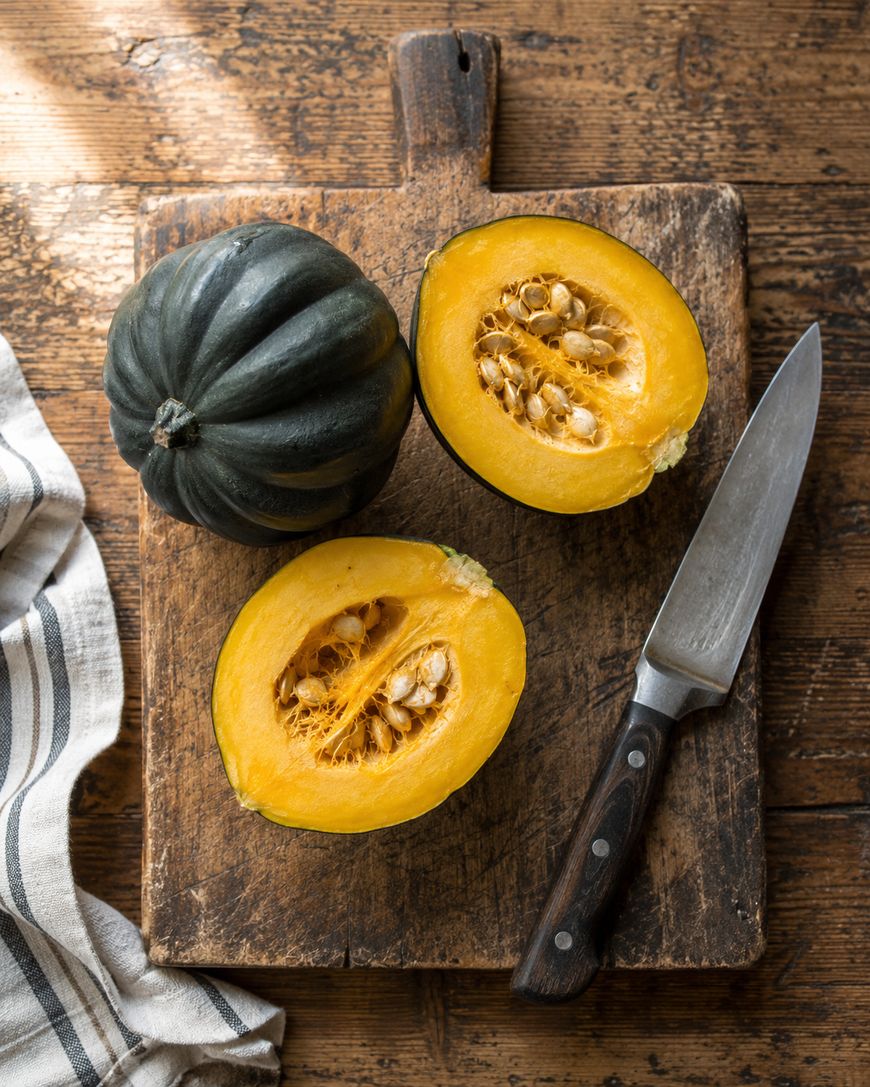
The best acorn squash soup starts with squash that feels heavy for its size and has a dull, dark green skin with a patch of orange. Shiny skin signals the squash was picked too early and will lack sweetness.
Most grocery stores stock acorn squash from late summer through early winter. Farmers markets in the Northeast and Midwest, including those in New York, Vermont, and Michigan, typically carry multiple varieties from August onward.

The Supporting Cast
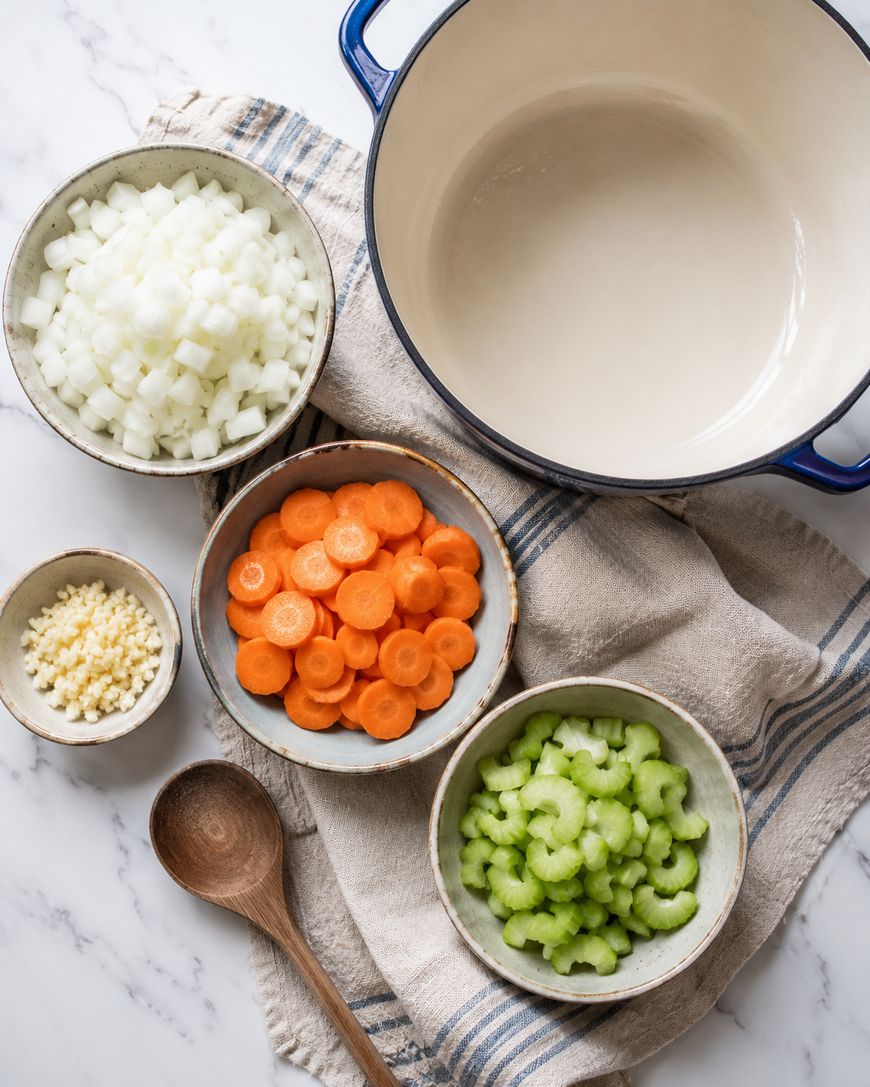
A good mirepoix of yellow onion, celery, and carrot forms the flavor backbone. Garlic adds depth, and a splash of apple cider vinegar cut at the end brightens the entire pot without making the soup taste acidic.
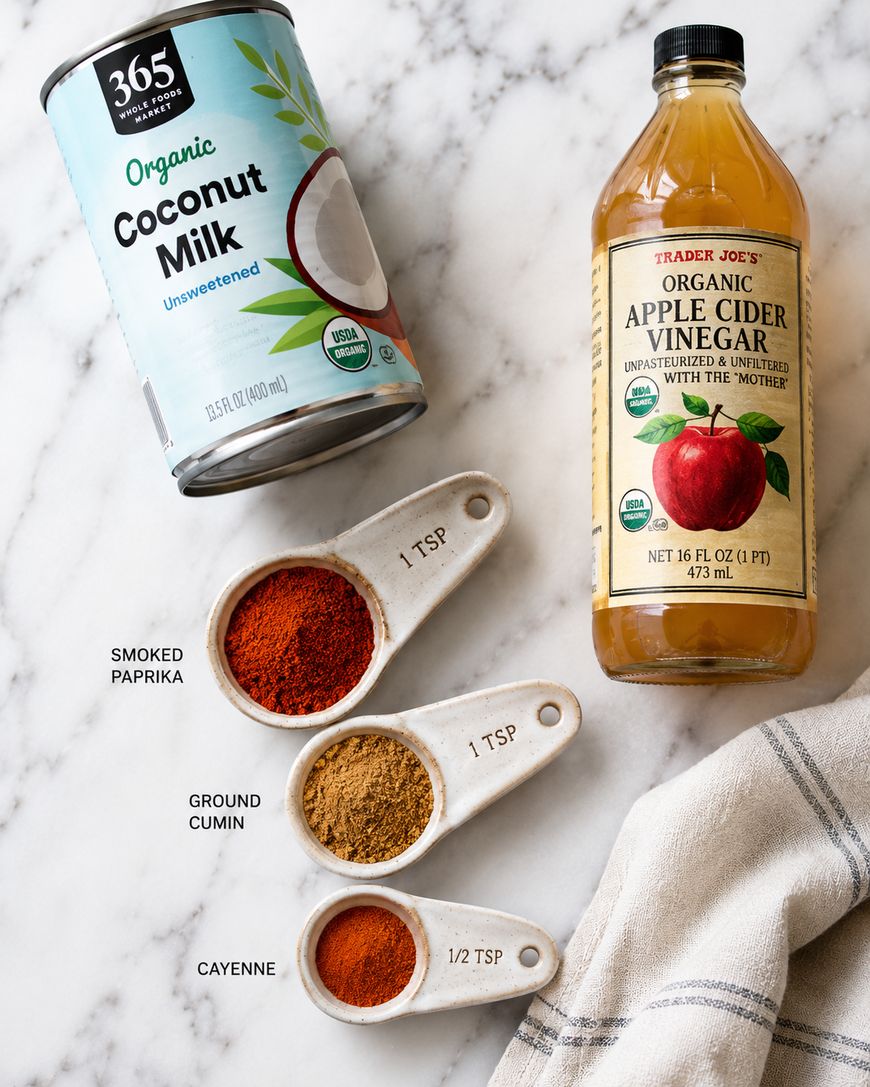
For liquid, vegetable broth keeps the recipe fully plant-based, though chicken stock adds a rounder, more savory note. Canned coconut milk creates a silkier texture than dairy cream and pairs naturally with the squash’s sweetness.
Warm Spices That Work
Smoked paprika, ground cumin, and a pinch of cayenne round out the flavor without overpowering the squash. Cinnamon is optional but adds a warming depth that makes this soup feel especially autumnal.
How to Make Acorn Squash Soup
Roasting the Squash
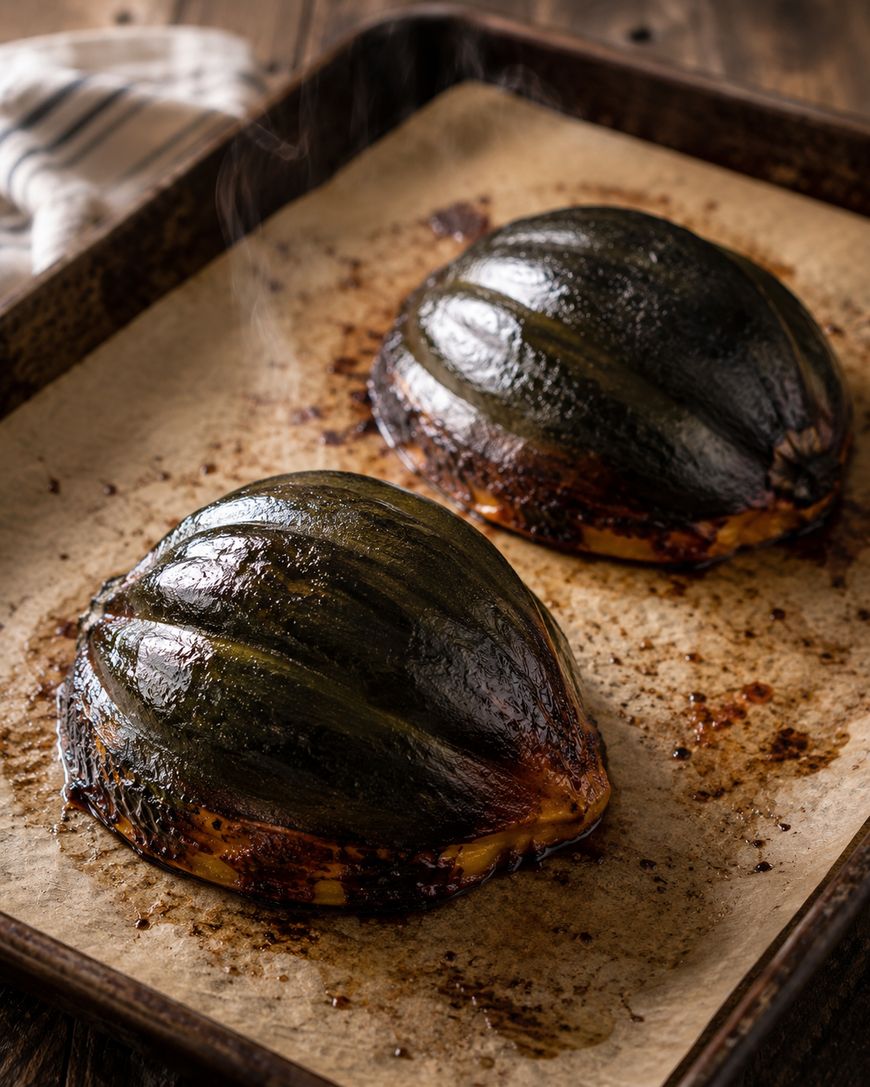
Roasting rather than boiling is the single most important technique in this recipe. Cut each squash in half, scoop out the seeds, brush with olive oil, and place cut-side down on a parchment-lined sheet pan.
Roast at 400°F for 40 to 45 minutes, until the skin is deeply caramelized and a fork slides through without resistance. The Maillard reaction on the cut surface creates compounds that boiling simply cannot replicate.
Building the Soup Base
While the squash roasts, warm olive oil in a large Dutch oven or heavy pot over medium heat. Add the diced onion and cook for six to eight minutes, stirring occasionally, until translucent and beginning to turn golden at the edges.
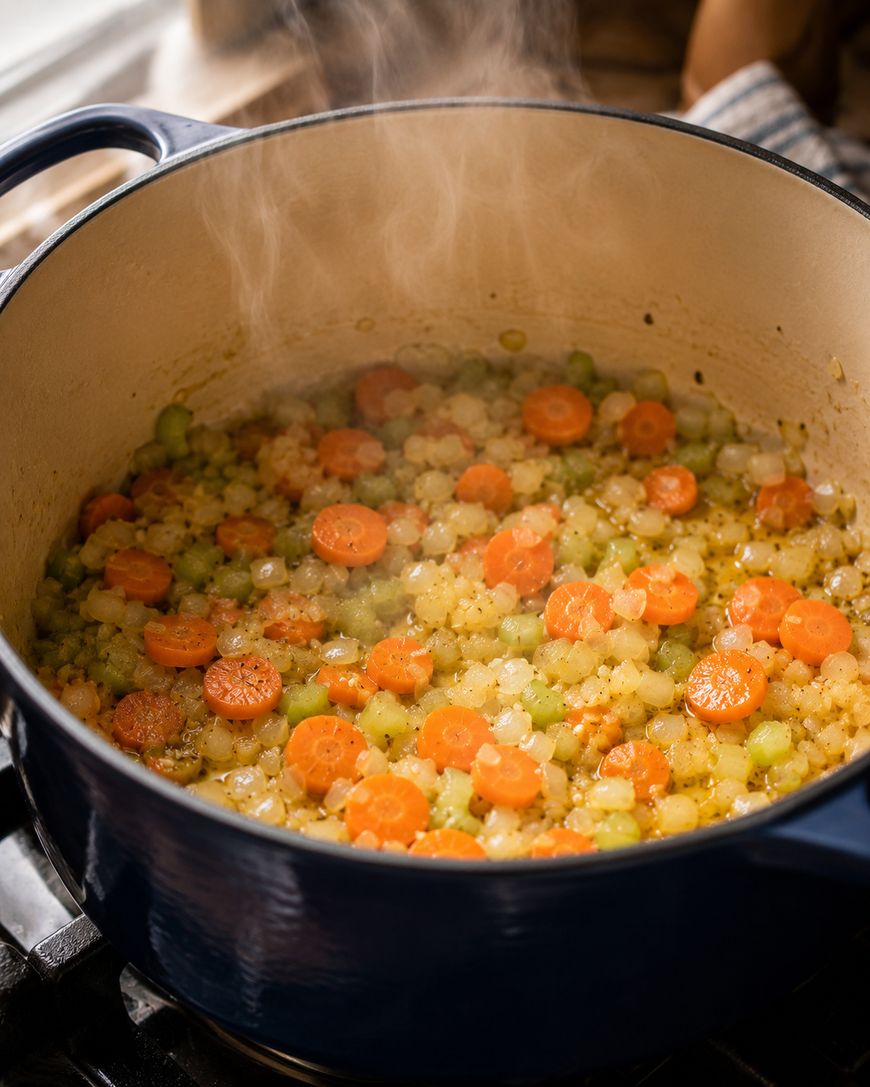
Add the garlic, carrot, and celery, and cook for another three minutes. Season generously with salt here, as early seasoning builds flavor in layers rather than relying on adjustment at the end.
Adding Liquid and Simmering
Pour in the broth and bring everything to a gentle simmer. Once the roasted squash is cool enough to handle, scoop the flesh away from the skin and add it directly to the pot.
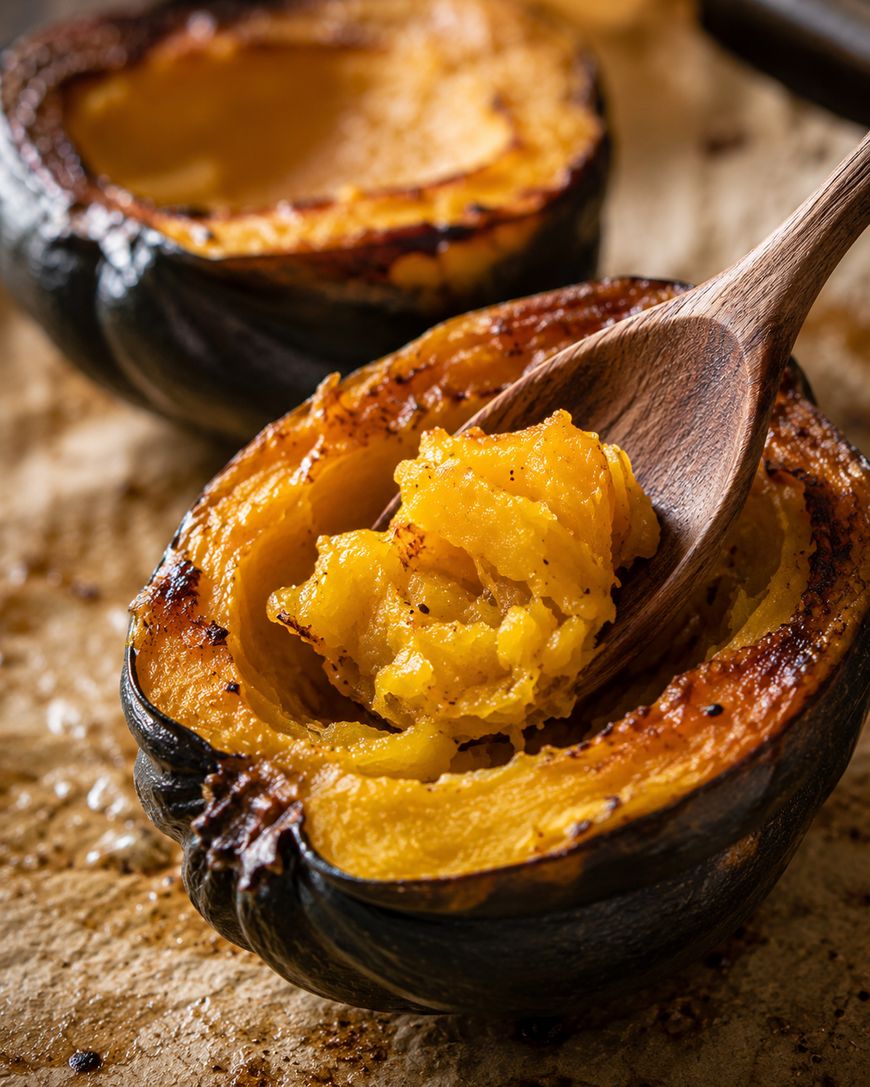
Simmer for ten minutes to let the flavors meld. Add the coconut milk and stir to combine, then remove from heat before blending.
Blending to Velvety Smoothness
An immersion blender is the safest and easiest tool here. If using a countertop blender such as a Vitamix or Blendtec, work in batches and never fill the jar more than halfway with hot liquid.
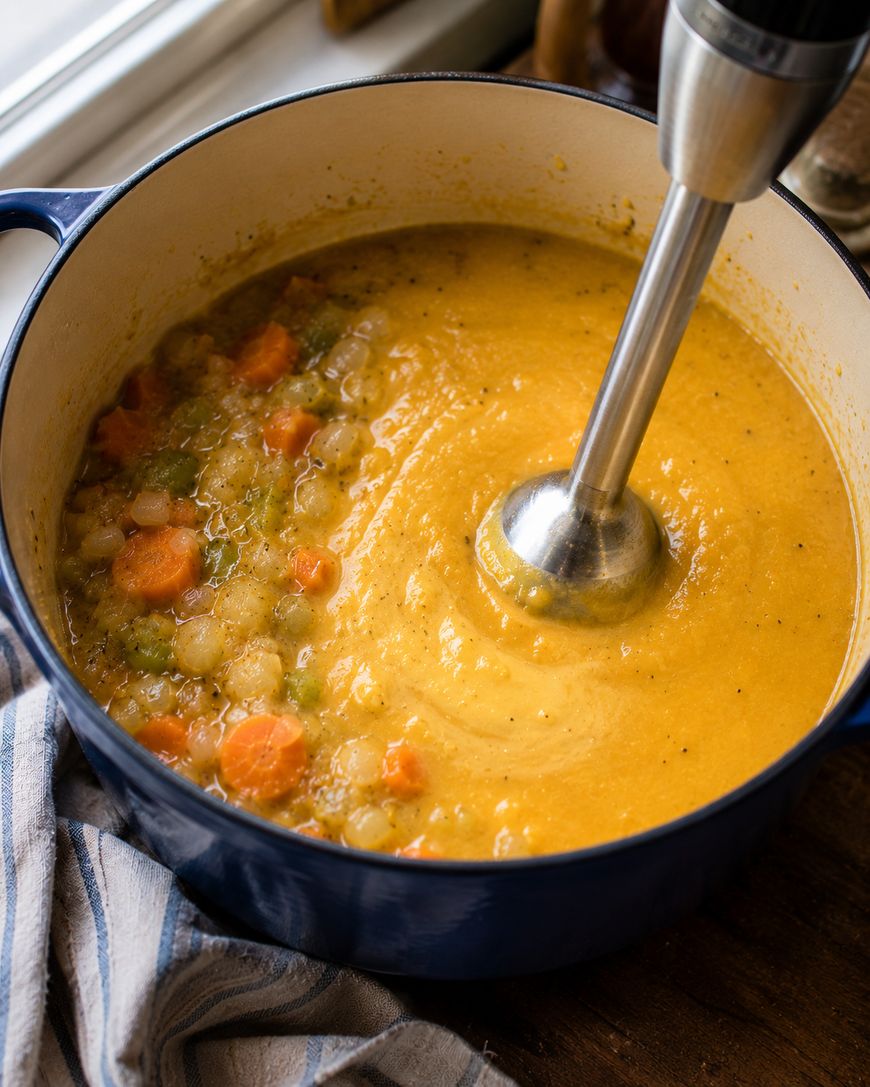
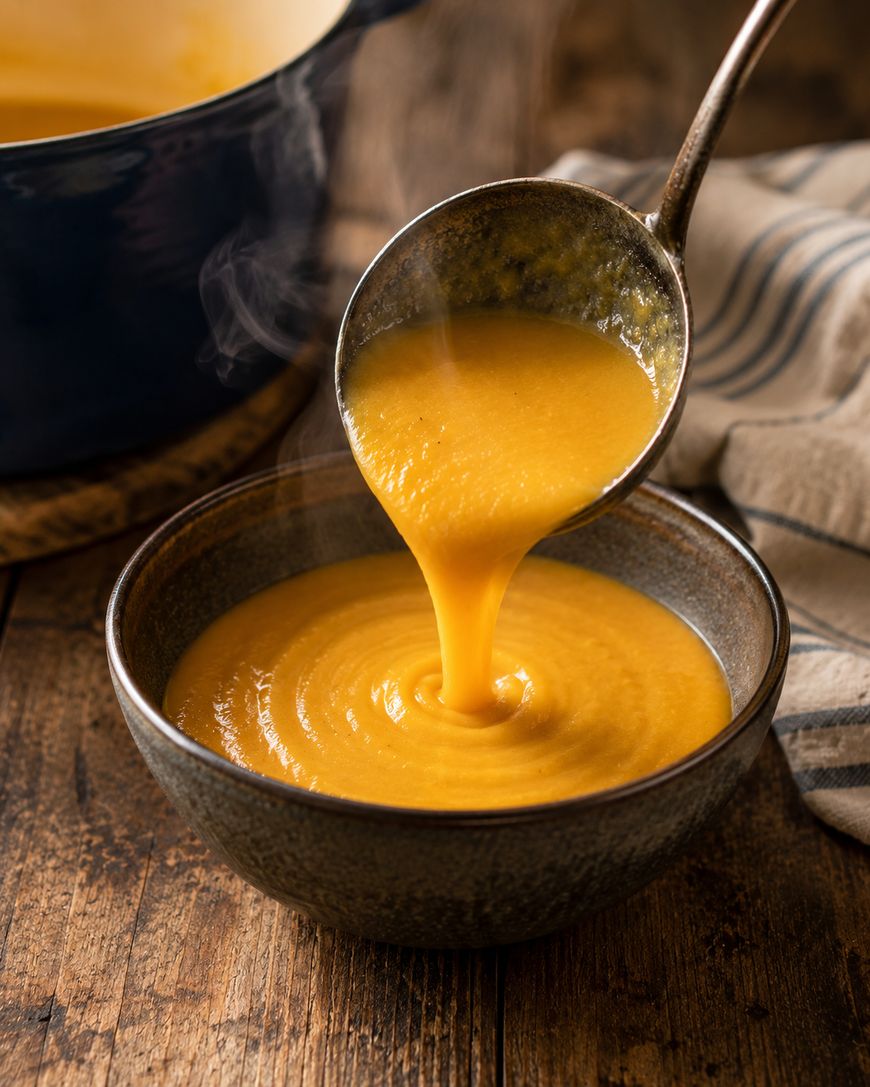
Blend until completely smooth, then taste and adjust salt, pepper, and a few drops of apple cider vinegar. The vinegar is not optional — it is the finishing note that lifts the entire soup.
Variations Worth Trying
Thai-Inspired Version
Swap the smoked paprika and cumin for a tablespoon of red curry paste and a teaspoon of freshly grated ginger. Replace the vegetable broth with coconut broth and finish with a squeeze of lime and fresh cilantro.
This version pairs beautifully with jasmine rice or a crusty baguette and works well as a starter at dinner parties.
Curried Acorn Squash Soup
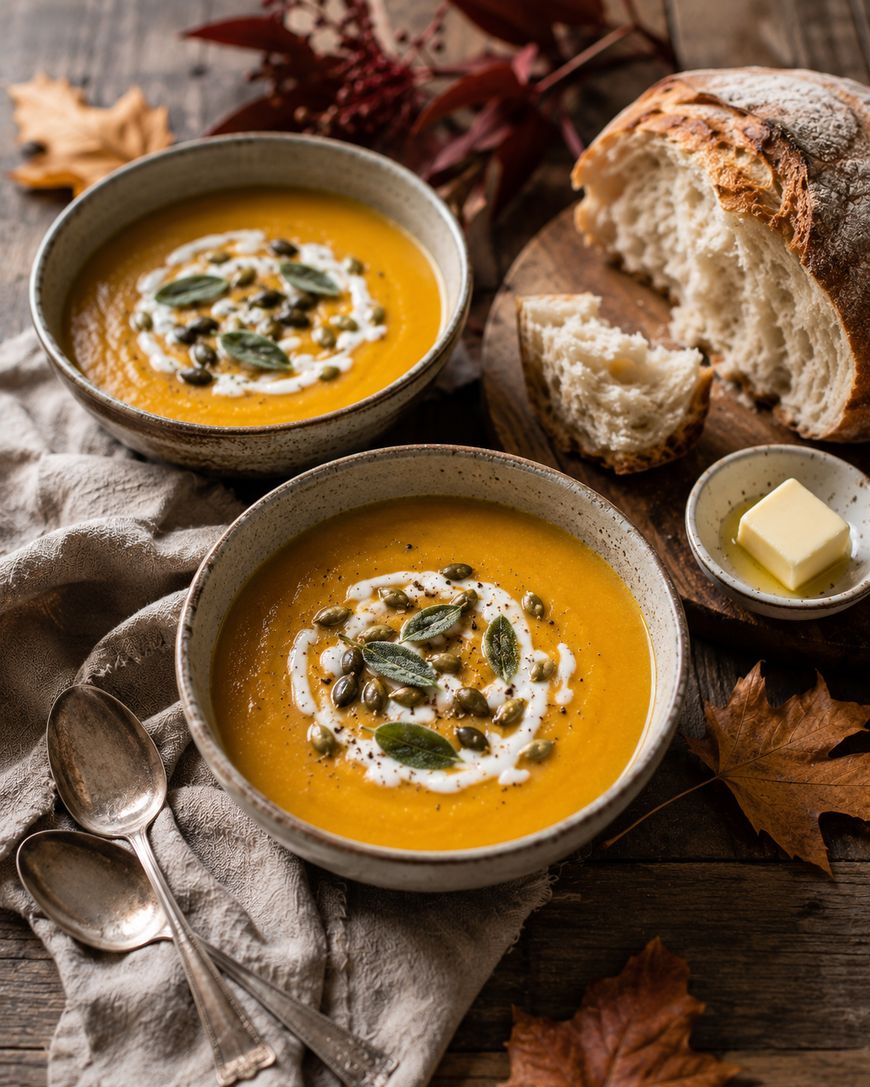
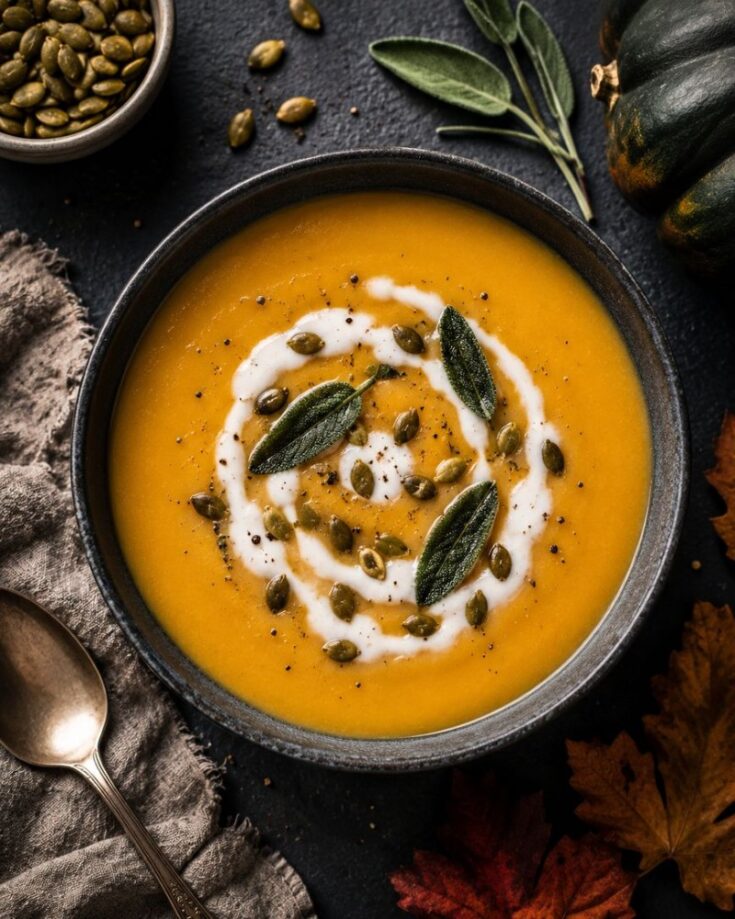
Add two teaspoons of curry powder and half a teaspoon of turmeric to the onion and garlic base before adding liquid. Finish with a swirl of full-fat Greek yogurt and toasted pumpkin seeds for texture.
Apple and Acorn Squash Soup
Add one peeled, diced Granny Smith apple to the pot with the onion. The tartness of the apple cuts through the natural sweetness of the squash and adds a subtle fruity complexity that works especially well in fall.
Substitutions and Dietary Notes
Butternut squash is the most direct substitute for acorn squash and requires no change in technique. Kabocha squash produces a slightly earthier, nuttier result and is worth trying if available.
For a dairy-free version, the coconut milk already makes this recipe suitable. To make this soup Whole30-compliant, confirm the broth brand contains no added sugar and omit any optional sweetener.
Storage and Reheating
Acorn squash soup keeps well in the refrigerator for up to five days in an airtight container. The flavors actually deepen overnight, making this an ideal meal prep recipe.
For longer storage, freeze in individual portions for up to three months. Reheat gently on the stovetop over medium-low heat, stirring frequently, adding a splash of broth if the soup has thickened.
Serving Suggestions
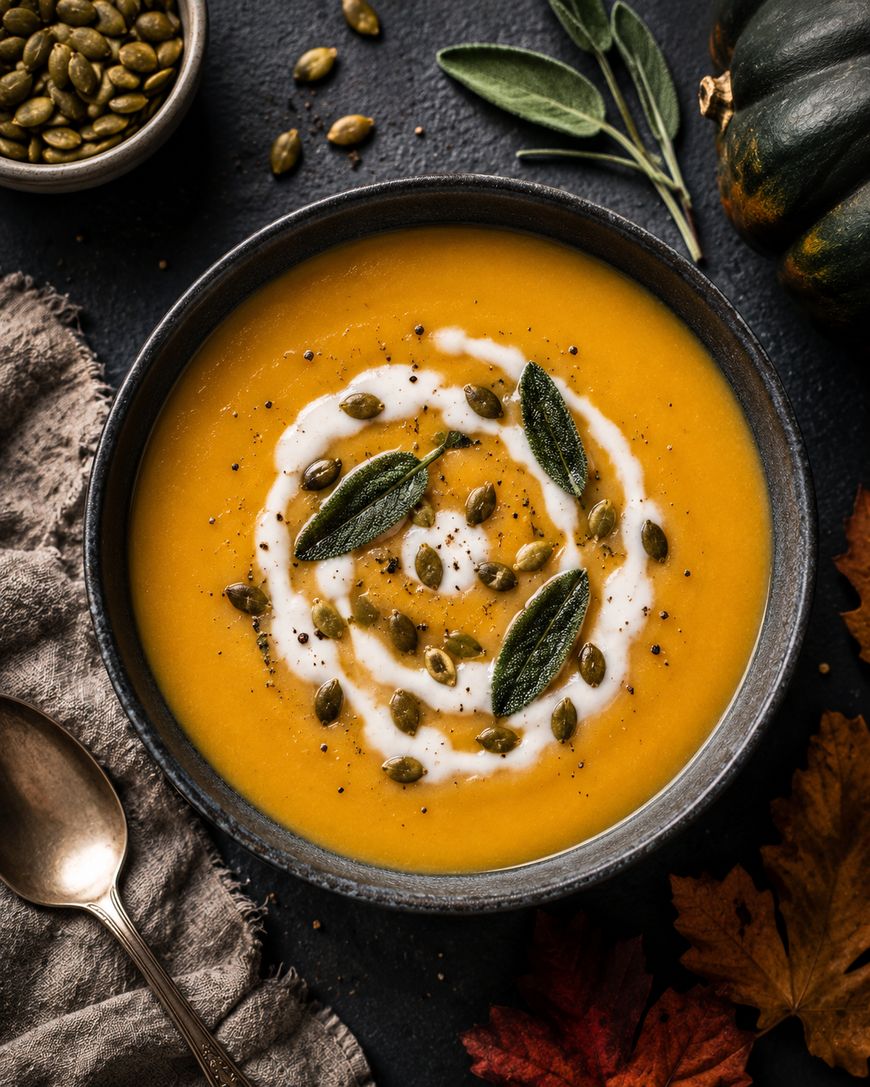
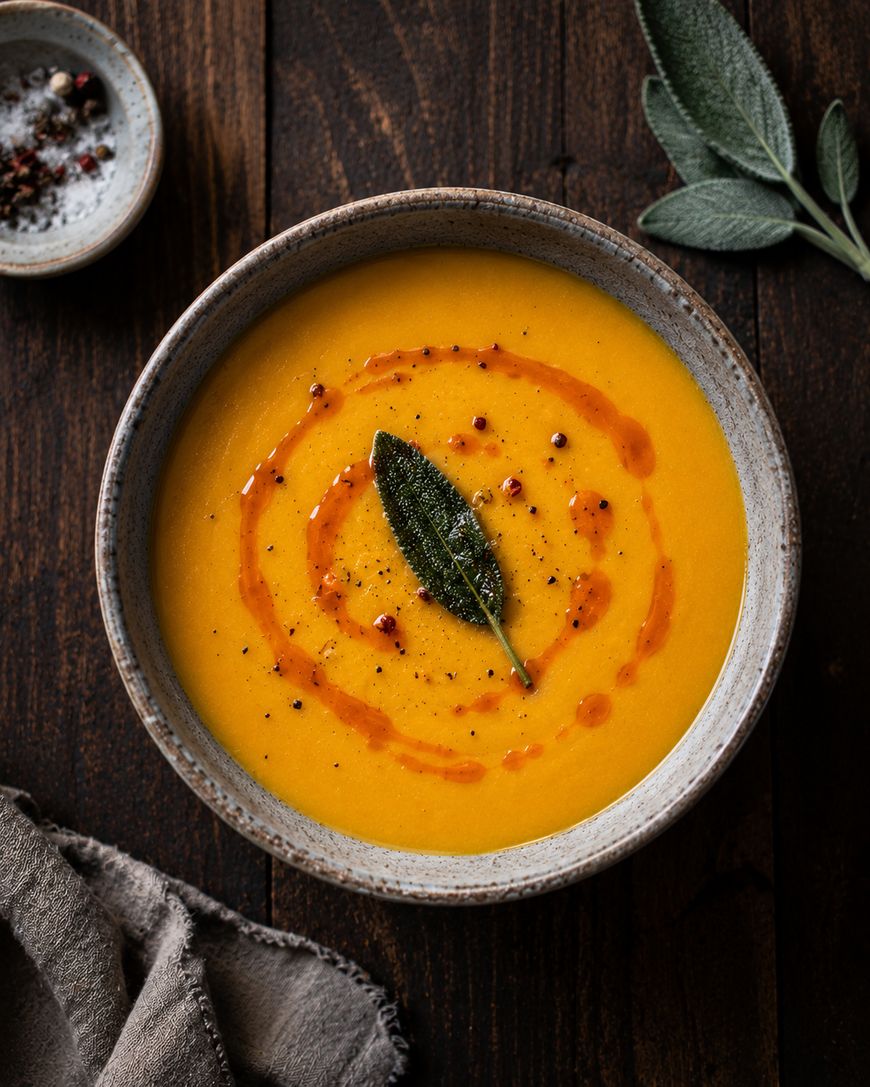
A swirl of cream, a drizzle of chili oil, or a spoonful of crème fraîche finishes each bowl visually and adds richness. Toasted pepitas, fried sage leaves, or a handful of crushed crackers provide textural contrast.
This soup pairs naturally with a grilled cheese on sourdough, a simple arugula salad with lemon vinaigrette, or a thick slice of crusty bread. For a more substantial meal, serve alongside a roasted chicken or a grain bowl.
The History Behind Acorn Squash
Acorn squash (Cucurbita pepo) is native to North and Central America and has been cultivated for thousands of years by Indigenous peoples including the Haudenosaunee (Iroquois) of the Great Lakes region. It was one of the “Three Sisters” crops grown alongside corn and beans across much of what is now the eastern United States.
Spanish explorers brought squash back to Europe in the 16th century, where it became embedded in the cuisines of France, Italy, and Spain. Today, the United States is among the world’s largest producers, with California, Michigan, and New York leading domestic cultivation.
The full details for making this recipe are in the card below, including exact quantities, cook times, and nutrition information.
Acorn Squash Soup Recipe
A creamy, velvety acorn squash soup made with roasted squash, warm spices, and coconut milk. Ready in under an hour and naturally gluten-free.
Ingredients
- 2 medium acorn squash (about 3 pounds total)
- 2 tablespoons olive oil, divided
- 1 medium yellow onion, diced
- 3 cloves garlic, minced
- 2 medium carrots, peeled and diced
- 2 stalks celery, diced
- 1 teaspoon smoked paprika
- 1/2 teaspoon ground cumin
- 1/4 teaspoon cayenne pepper
- 4 cups vegetable broth
- 1 can (13.5 oz) full-fat coconut milk
- 1 teaspoon apple cider vinegar
- 1 teaspoon kosher salt, plus more to taste
- 1/4 teaspoon black pepper
Instructions
- Preheat oven to 400 degrees F. Line a baking sheet with parchment paper.
- Halve each acorn squash and scoop out the seeds. Brush the cut sides with 1 tablespoon of the olive oil and place cut-side down on the prepared baking sheet.
- Roast for 40 to 45 minutes, until the squash is completely tender and the skin is caramelized. Remove from oven and let cool for 10 minutes.
- While the squash roasts, heat the remaining 1 tablespoon of olive oil in a large pot over medium heat. Add the onion and cook, stirring occasionally, for 6 to 8 minutes until softened.
- Add the garlic, carrots, and celery. Cook for 3 minutes, stirring occasionally. Add the smoked paprika, cumin, and cayenne and cook for 1 minute more.
- Pour in the vegetable broth and bring to a simmer. Season with 1 teaspoon salt and 1/4 teaspoon black pepper.
- Scoop the flesh from the cooled roasted squash and add it to the pot. Simmer for 10 minutes.
- Add the coconut milk and stir to combine. Remove from heat.
- Use an immersion blender to blend until completely smooth, or carefully transfer in batches to a countertop blender.
- Stir in the apple cider vinegar. Taste and adjust seasoning as needed. Serve hot with desired toppings.
Notes
For a richer flavor, use chicken broth instead of vegetable broth.
Leftovers keep refrigerated for up to 5 days or frozen for up to 3 months.
If the soup is too thick, thin with additional broth a splash at a time.
Top with toasted pepitas, a swirl of cream, or fresh herbs before serving.
Nutrition Information:
Yield:
6Serving Size:
about 1.5 cupsAmount Per Serving: Calories: 248Total Fat: 15gSaturated Fat: 11gSodium: 520mgCarbohydrates: 28gFiber: 4gSugar: 5gProtein: 3g
This site provides estimated nutritional information. This information comes from online calculators. Although we try to provide accurate nutritional information, these figures are only estimates.
Frequently Asked Questions
Can acorn squash soup be made ahead of time?
Acorn squash soup is one of the best make-ahead soups precisely because the flavor improves after a night in the refrigerator. Make the full batch up to three days before serving and store it covered in the fridge.
Reheat gently on the stovetop, adding a splash of broth if needed to loosen the consistency. The soup also freezes exceptionally well for up to three months.
Do you have to peel acorn squash for soup?
Peeling is not necessary when roasting. The skin softens during roasting and the flesh scoops away cleanly with a large spoon.
If boiling or steaming instead of roasting, peeling beforehand is easier. Use a sharp chef’s knife rather than a peeler, as the ridged skin of acorn squash is difficult to peel with standard tools.
What can be used instead of coconut milk?
Heavy cream, half-and-half, or oat milk all work as substitutes. Heavy cream produces the richest result closest to the original.
Oat milk creates a lighter soup with a subtly different sweetness. Cashew cream, made by blending soaked raw cashews with water, is another excellent dairy-free alternative that adds body without coconut flavor.
Is acorn squash soup healthy?
Acorn squash is a nutrient-dense vegetable, rich in vitamin C, potassium, magnesium, and dietary fiber. One cup of cooked acorn squash provides about 9 grams of fiber, which supports digestive health.
This recipe is naturally gluten-free, can be made vegan, and contains no refined sugar. The primary fat sources are olive oil and coconut milk, both of which contain beneficial fatty acids.
Why does my acorn squash soup taste bland?
The two most common causes are under-salting and skipping the finishing acid. Salt every layer during cooking — the aromatics, the broth, and the final blend.
A few drops of apple cider vinegar or a small squeeze of lemon juice added at the very end wakes up all the flavors. Taste again after adding acid before adding more salt.
Can this soup be made in an Instant Pot?
An Instant Pot or similar electric pressure cooker works well for this recipe with a few adjustments. Skip roasting the squash and instead peel, cube, and cook it on high pressure for eight minutes with the aromatics and broth.
Quick-release the pressure, add coconut milk, and blend. The result will be slightly less sweet than the roasted version but still very good, and the total hands-on time drops to about twenty minutes.
A Bowl Worth Coming Back To
This acorn squash soup recipe earns a permanent spot in the fall and winter rotation because it is genuinely easy, deeply flavorful, and adaptable to almost any dietary need. The combination of roasted squash, warm spices, and a finishing touch of acid creates a bowl that tastes far more complex than the ingredient list suggests.
Make a double batch on the weekend, and weeknight dinners take care of themselves all week long.