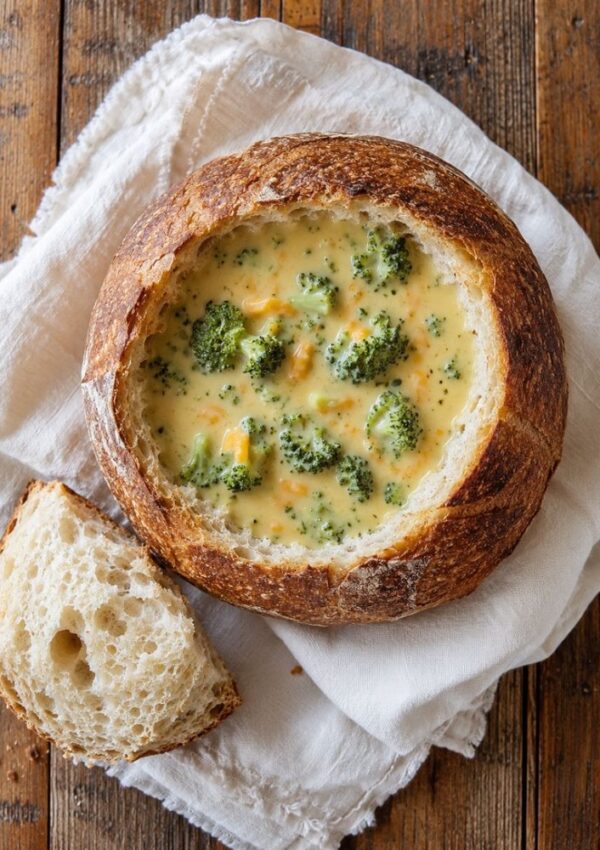
Last updated: June 24, 2026
These artisan bread recipes give you the tools to bake genuine bakery-quality bread at home with a crackling crust, an open crumb, and a depth of flavor that commercial bread cannot touch. Whether you are starting with no-knead white bread or building toward a full sourdough practice, every recipe here delivers results worth repeating.
The Best Artisan Bread Recipes to Start With
The best artisan bread recipes for beginners are the ones that teach foundational techniques while delivering an impressive result on the very first bake. These recipes require no stand mixer, no special equipment beyond a Dutch oven, and no experience to produce professional results.

No-Knead Dutch Oven Bread
No-knead Dutch oven bread from the Jim Lahey method published in The New York Times is the most influential home bread recipe of the last two decades. Combine 3 cups of King Arthur bread flour, a quarter teaspoon of instant yeast, one and a half teaspoons of fine sea salt, and one and a half cups of water in a bowl, stir until shaggy, cover, and rest for 12 to 18 hours at room temperature.
Shape it gently onto a floured surface, let it rise for two hours in a floured proofing basket or bowl lined with a floured towel, then bake covered in a preheated 450-degree Le Creuset or Lodge Dutch oven for 30 minutes before removing the lid for the final 15. The result is a loaf with a shattering crust, a deeply golden exterior, and an open, chewy crumb that looks and tastes like a $12 bakery loaf.
Rustic Sourdough Boule
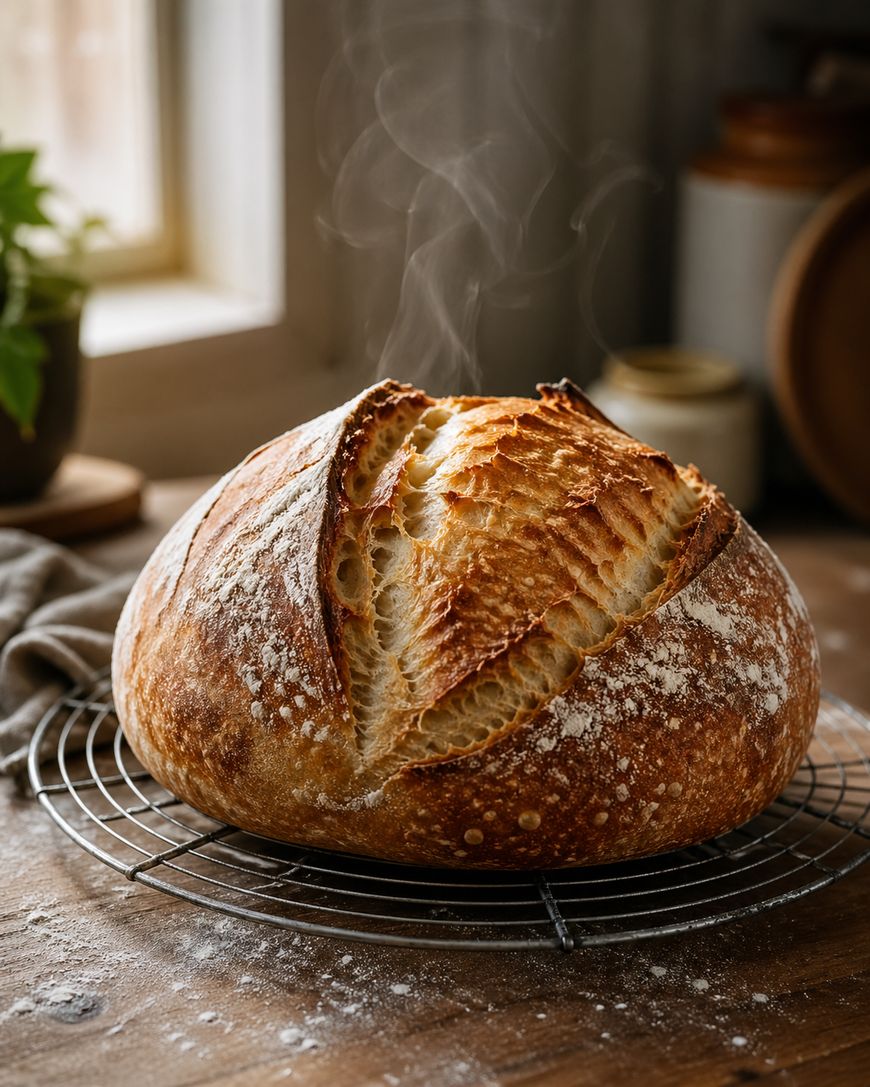
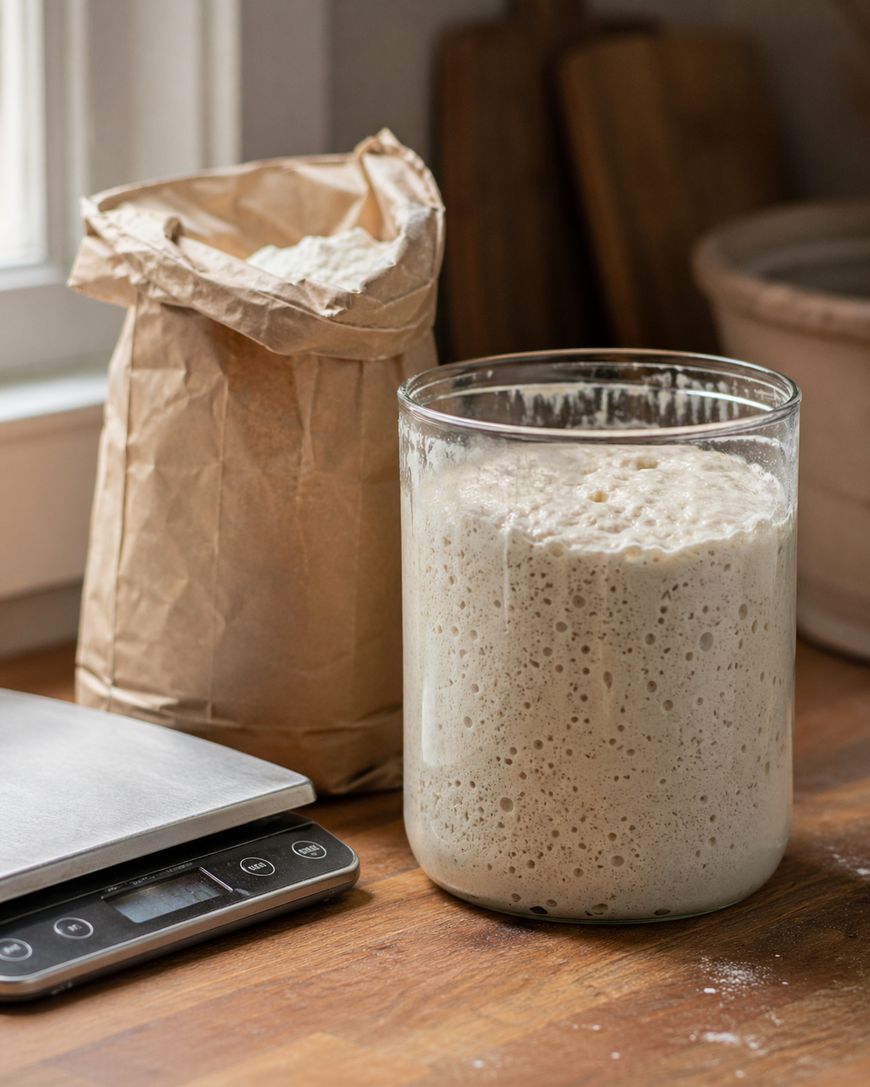
Rustic sourdough boule begins with an active starter and produces a loaf with complex tang, a thick caramelized crust, and large irregular holes in the crumb that indicate proper fermentation. Use 450 grams of King Arthur bread flour, 325 grams of water, 100 grams of active starter, and 9 grams of fine sea salt.
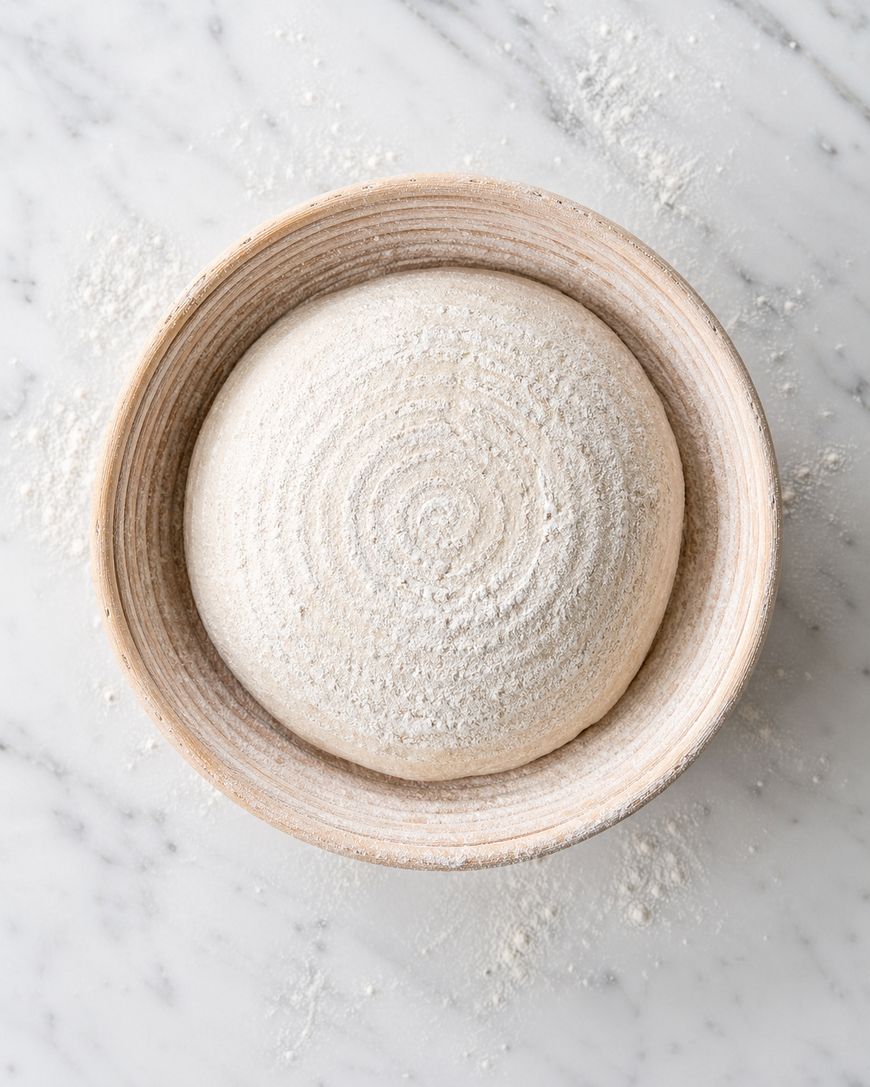
Mix the flour and water and allow it to rest for 30 minutes in a process called autolyse, which hydrates the flour and makes the dough easier to develop without kneading. Add the starter and salt, then perform four sets of stretch-and-fold techniques over two hours, shape, and cold proof overnight in a banneton for a bake the next morning.

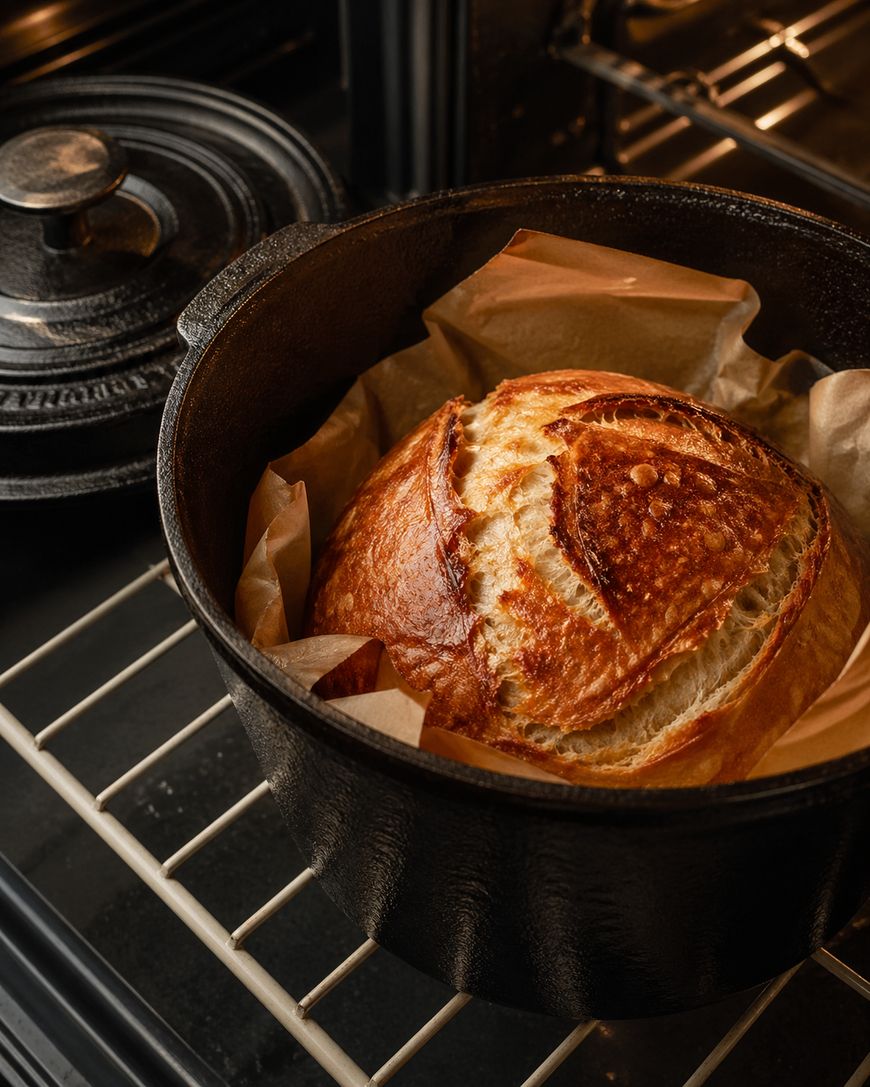
Bake in a Dutch oven at 500 degrees for 20 minutes covered, then reduce to 450 degrees and bake uncovered for 20 minutes more. The deep score across the top lets the loaf spring dramatically in the oven and is one of the most satisfying moments in all of bread baking.
Rosemary Sea Salt Focaccia
Rosemary sea salt focaccia from the Samin Nosrat Salt Fat Acid Heat method produces a thick, pillowy slab of bread that is simultaneously crispy on the bottom and cloud-soft in the middle. Use 500 grams of King Arthur all-purpose flour, 7 grams of instant yeast, 10 grams of salt, 375 grams of water, and a generous quarter cup of extra virgin olive oil.
Combine everything, rest for 30 minutes, then fold four times over the next two hours and transfer to an oiled half-sheet pan. The key technique is dimpling the dough deeply with your fingertips before the final 30-minute rise, which creates the characteristic pockets that trap oil, rosemary, and Maldon sea salt flakes.
Bake at 450 degrees for 25 to 30 minutes until deeply golden. Focaccia is the most forgiving of all artisan bread recipes and produces an extraordinary result even on the first attempt.

Ciabatta
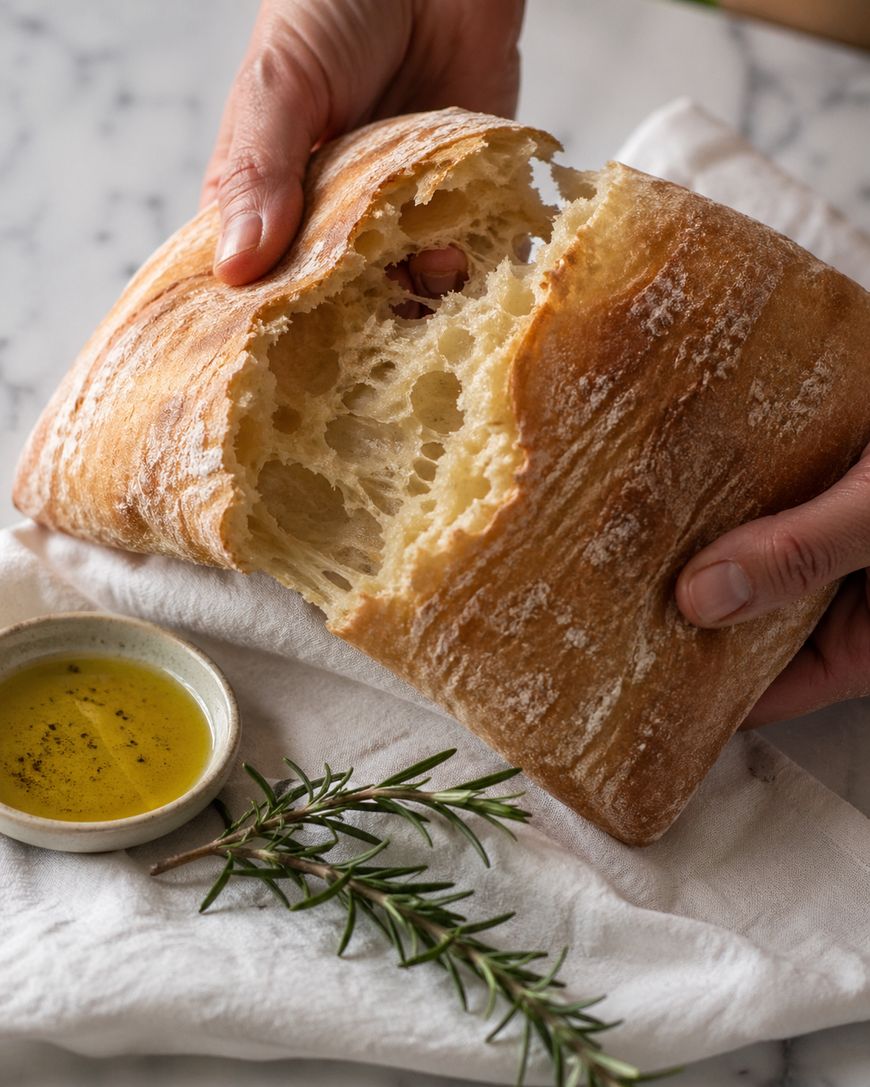
Ciabatta from Peter Reinhart’s The Bread Baker’s Apprentice is a wet, slack dough that produces the open, airy crumb and thin, crispy crust that makes it perfect for sandwiches and bruschetta. The key is using a biga, an Italian pre-ferment made the night before from flour, water, and a tiny amount of yeast, which develops flavor without sourdough complexity.
The final dough is very wet at 75 to 80 percent hydration, which makes it impossible to knead in the traditional sense. Work it using the slap-and-fold technique popularized by Richard Bertinet, where you stretch and fold the dough against the bench rather than pushing it, building gluten through elasticity rather than force.
Artisan Bread Recipes Using Whole Grains
Whole grain artisan bread recipes add nutritional depth, nuttiness, and a more complex flavor profile than white flour loaves. The key to great whole grain bread is balancing the flour ratio correctly so the loaf rises properly while still delivering a wheaty, full-bodied crumb.
Whole Wheat Honey Oat Bread
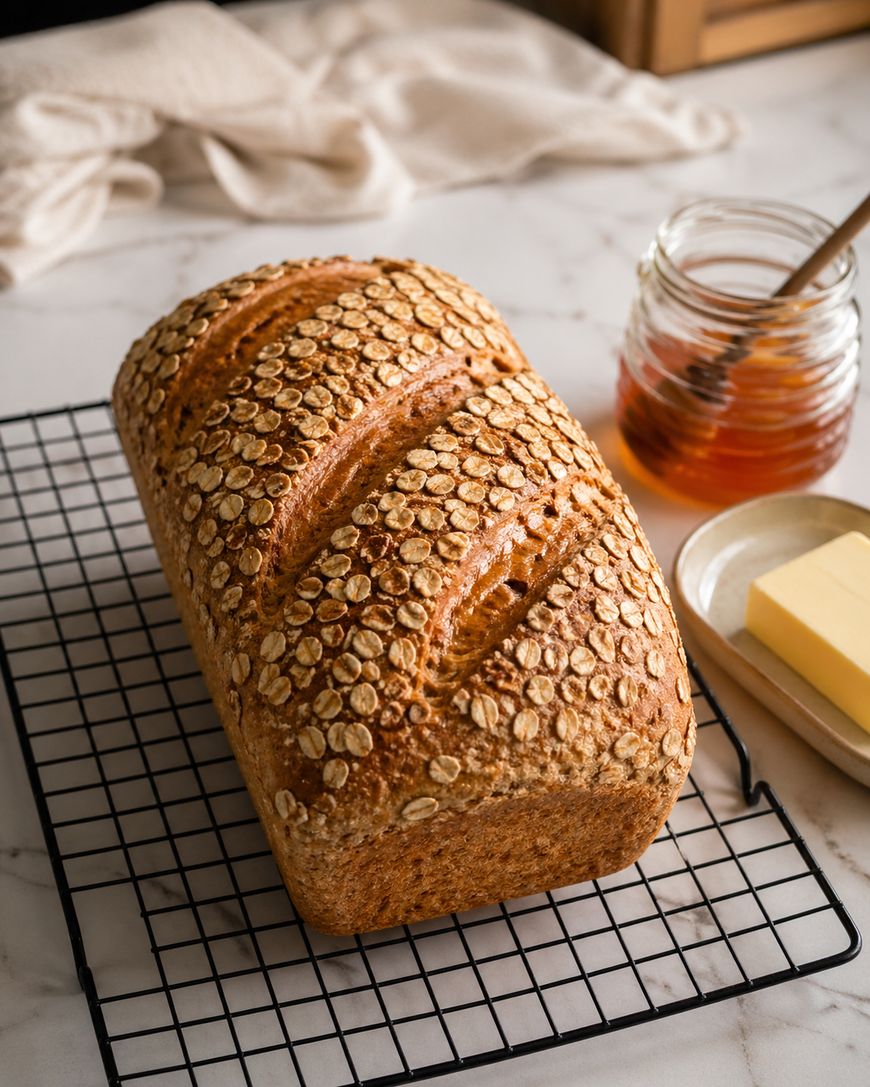
Whole wheat honey oat bread combines King Arthur whole wheat flour, bread flour, old-fashioned rolled oats, honey, butter, instant yeast, and milk for a soft, slightly sweet everyday loaf that tastes nothing like the dry whole wheat bread most people grew up with. The butter and honey keep this loaf incredibly moist and tender even days after baking.
Use a 50/50 split of whole wheat and bread flour for a loaf that has wheaty depth without becoming dense. Shape it into a batard, coat the top in rolled oats, score with three diagonal cuts, and bake on a preheated baking stone or steel at 400 degrees until the internal temperature reaches 190 degrees.
Dark Rye Caraway Bread
Dark rye caraway bread in the Scandinavian tradition uses a blend of dark rye flour from Bob’s Red Mill, bread flour, molasses, caraway seeds, and a rye sourdough starter for a dense, deeply flavored loaf that pairs beautifully with smoked salmon, cream cheese, and cucumber. Dark rye has less gluten than wheat, so it bakes into a tight, compact crumb rather than an open one.
This bread bakes in a loaf pan rather than a Dutch oven, making it a straightforward shape for anyone new to whole grain baking. Slice it thin, toast it gently, and it holds up for a week at room temperature when wrapped in parchment.

Seeded Multigrain Loaf
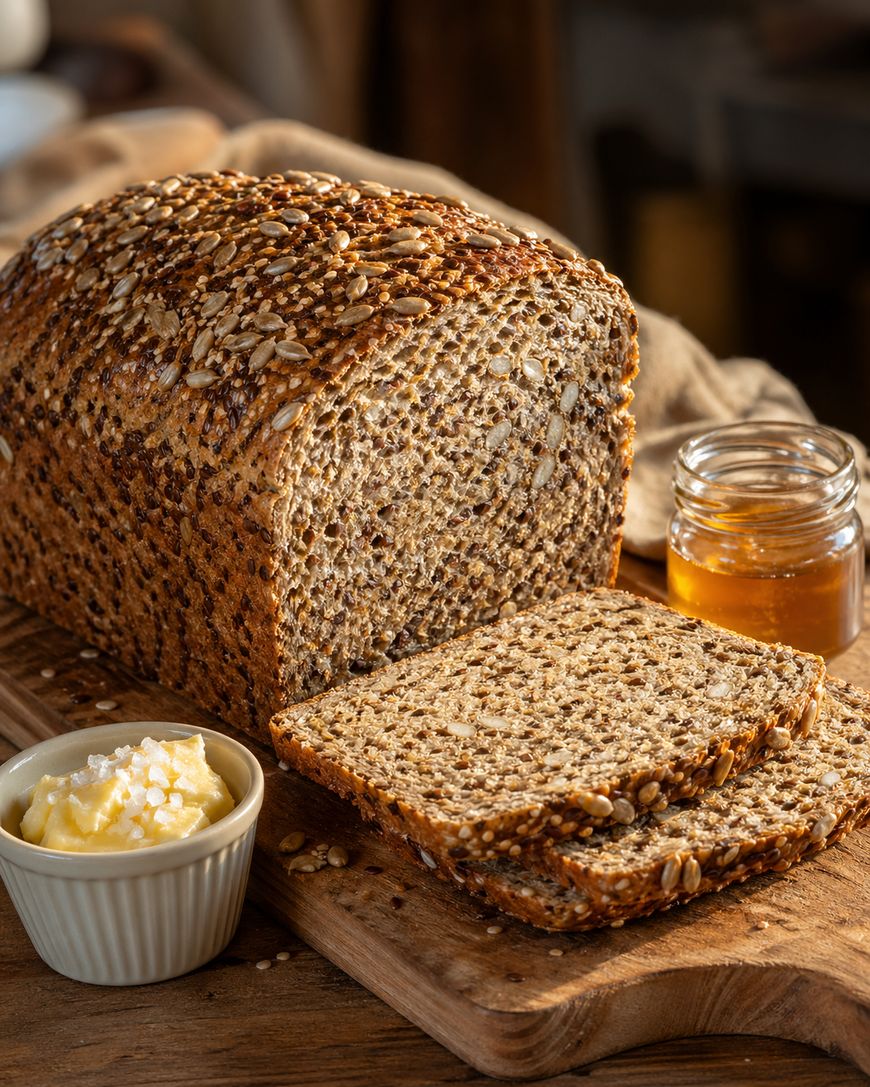
Seeded multigrain loaf uses a soaker of flaxseeds, sunflower seeds, sesame seeds, and millet combined with bread flour, whole wheat flour, and an overnight levain for a loaf that is both nutritionally substantial and genuinely delicious. Bob’s Red Mill 10-Grain Hot Cereal makes an excellent soaker base that adds texture, moisture, and a toasty complexity you cannot achieve with flour alone.
The seeds in the crust create a beautiful appearance and a satisfying crunch. This is the artisan bread recipe that people mistake for an expensive grain bakery loaf when they see it on the table.
Essential Techniques for Artisan Bread Recipes
The difference between average homemade bread and bakery-quality artisan bread recipes comes down to a handful of specific techniques that most home bakers either skip or do not know about. Mastering these turns ordinary bread into something extraordinary.
The Importance of Steam in the First 20 Minutes
Steam in the first 20 minutes of baking is the single most important variable in artisan bread recipes for achieving a crackly, blistered crust and maximum oven spring. Without steam, the exterior of the loaf dries and sets too quickly, restricting expansion and producing a pale, thick crust.
Baking in a Dutch oven traps the steam from the dough itself, which is why Dutch oven loaves consistently outperform loaves baked on a stone without steam. For hearth-style baking on a stone, add a cast iron skillet on the lower rack and pour one cup of boiling water into it when the loaf goes in.
Autolyse for Better Gluten Development
Autolyse is a 20 to 60 minute rest period after mixing flour and water before adding other ingredients, and it dramatically improves the extensibility and texture of any artisan bread dough. During autolyse, the flour fully hydrates and enzymes begin breaking down proteins into the building blocks of gluten, all without any effort from you.
Doughs that have undergone autolyse stretch longer without tearing, develop gluten more quickly, and produce a more open crumb with less kneading. This is the technique that separates professional bread bakers from home bakers and it costs nothing but time.
Scoring for Oven Spring and Aesthetics
Scoring the top of a loaf just before baking with a sharp lame or a razor blade allows the bread to expand in a controlled direction rather than bursting randomly at the weakest seam. A single decisive slash at a 30-degree angle, about a quarter inch deep, is the most reliable cut for a batard or round loaf.
The Bread Lame from Wire Monkey is widely considered the best tool for this and costs under $30. Confident, swift cuts produce the best results, while hesitant shallow scores close during baking without producing the dramatic ear that characterizes a well-executed loaf.
Cold Proofing for Flavor and Control
Cold proofing or retarding the shaped dough overnight in the refrigerator is one of the most powerful techniques in artisan bread recipes because it slows fermentation to a pace that develops significantly more complex flavor. A loaf cold-proofed for 12 to 16 hours has a much more interesting flavor profile than one baked the same day.
Cold proofing also gives you scheduling flexibility, letting you bake when it suits you rather than when the dough dictates. The cold dough is easier to score cleanly and produces a more dramatic oven spring than room-temperature dough.
Equipment for Artisan Bread Recipes at Home
Good artisan bread recipes become great with the right equipment, and the list is short. A few targeted investments produce a dramatically better result than any technique adjustment alone.
The Dutch Oven is Non-Negotiable
A Lodge 5-Quart Cast Iron Dutch Oven or a Le Creuset 5.5-Quart Dutch Oven is the single most important piece of equipment for artisan bread baking at home. It functions as a miniature steam oven during the first phase of baking, mimicking the deck ovens used in professional bakeries.
Preheat it empty in a 500-degree oven for 45 minutes before baking. Lower your shaped, scored dough into it carefully using parchment paper as a sling, replace the lid, and bake.
A Digital Scale Changes Everything
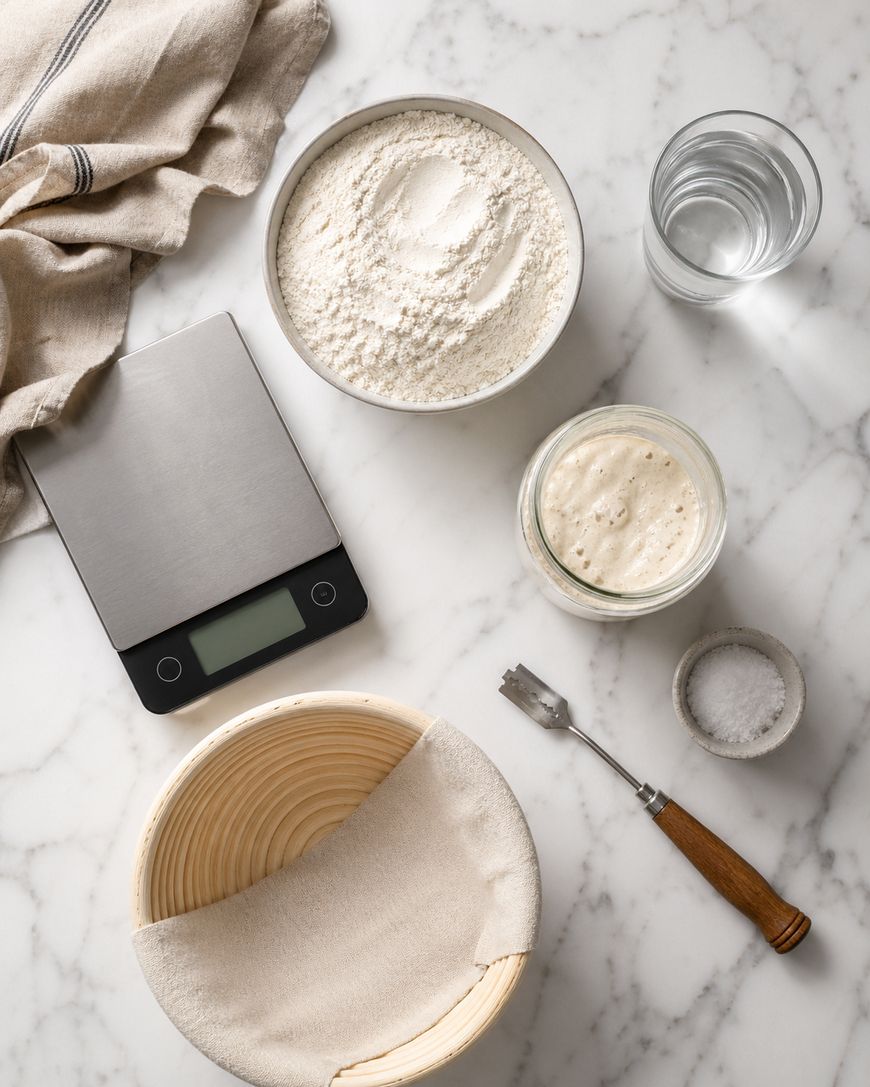
A digital kitchen scale from OXO or Escali is mandatory for reliable artisan bread recipes because flour measured by volume can vary by up to 20 percent depending on how it was scooped. Professional bakers measure by weight exclusively, and the consistency it produces is immediately noticeable in your results.
A kitchen scale costs between $15 and $30 and pays for itself on the first bake by eliminating the single most common source of failure in home bread baking.
A Banneton for Beautiful Shape
A banneton or proofing basket holds the shaped dough in its correct form during the final rise and imprints the characteristic spiral pattern on the crust of a sourdough boule. Dust it generously with rice flour before use, which prevents sticking better than regular flour.
Rattan bannetons from WIRINGO or Breadtopia cost between $15 and $25 and last for decades when properly cared for. The shape and structure a banneton provides is what gives artisan loaves their unmistakably professional appearance.
Artisan Bread Recipes Questions
What flour is best for artisan bread? King Arthur Bread Flour at 12.7 percent protein content is the most consistently reliable all-purpose choice for artisan bread recipes, producing strong gluten development, great oven spring, and an open crumb. For sourdough specifically, a blend of King Arthur bread flour and a small percentage of King Arthur whole wheat flour adds flavor complexity without sacrificing structure.
How do you make artisan bread without a Dutch oven? Bake on a preheated baking stone or steel and create steam by placing a cast iron skillet on the lowest rack, then pouring one cup of boiling water into it immediately after loading the bread. Steam for the first 20 minutes, then remove the skillet and bake dry until the crust is deep brown and the internal temperature reaches 205 degrees.
How long does artisan bread stay fresh? Artisan bread baked with a high-hydration dough and a thick crust stays fresh at room temperature for two to three days when stored cut-side down on the cutting board, unwrapped. Avoid plastic bags, which soften the crust and accelerate staleness. For longer storage, slice and freeze in a zip bag for up to three months and toast directly from frozen.
Why is my artisan bread dense? Dense artisan bread is almost always caused by under-fermented dough, insufficient gluten development, or yeast that was not active. For sourdough, the starter must pass the float test before use. For yeast-leavened breads, the dough should roughly double in size during bulk fermentation before shaping.
What is the difference between artisan bread and regular bread? Artisan bread recipes use long fermentation times, minimal commercial yeast or sourdough starter, high-hydration doughs, and high-heat baking with steam to develop complex flavor and an open crumb. Commercial bread uses fast-acting yeast, additives to extend shelf life, and mechanical mixing, which produces a consistent but flavor-neutral result.
Bake Your Best Artisan Bread Recipes This Week
Every great artisan bread recipe comes down to the same fundamentals: good flour, active fermentation, a hot Dutch oven, and the confidence to shape and score boldly. The technique compounds with each bake, and within four or five loaves most home bakers are producing bread that genuinely rivals what they can buy.
Start with the no-knead Dutch oven loaf if you are new to artisan bread recipes, build toward sourdough once you want more complexity, and never go back to grocery store bread again. The difference in flavor, texture, and satisfaction is significant enough to make baking your own bread a permanent part of your kitchen practice.